If you’re in the market for bulletproof glass compliant with the EN 1063 standard, you already know this isn’t your average building material. EN 1063 isn’t just a set of guidelines—it’s a European benchmark that defines the performance of bullet-resistant glazing, categorizing products from BR1 (low-level threat, like handguns) up to BR7 (high-level, armor-piercing rounds). But what many buyers overlook is that even the highest-quality, EN 1063-certified bulletproof glass won’t live up to its potential if it’s not shipped and handled correctly. Over the years, as a supplier specialized exclusively in EN 1063-compliant bulletproof glass, I’ve seen too many projects derailed by avoidable mistakes: cracked panels, lost certification, or delays that set timelines back weeks. Let’s break down exactly what you need to know to get your glass from our facility to your site intact and compliant. Bulletproof Glass for En1063 Standard
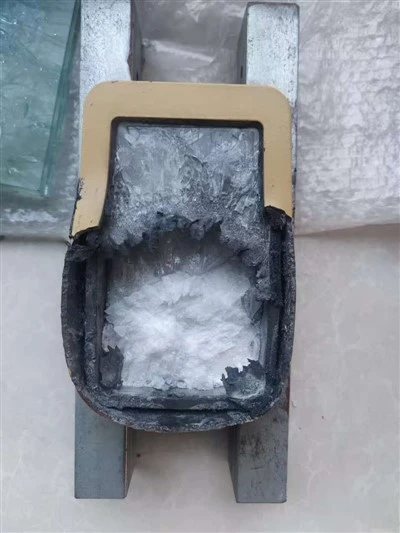
First, it’s critical to tie shipping requirements directly to the EN 1063 standard’s core purpose: verifying that the glass will perform as tested. The standard’s test protocol involves mounting panels in a rigid frame, firing rounds at specified angles, and confirming no penetration or spalling. So, any damage during shipping—even a tiny, seemingly superficial crack—can alter the structural integrity of the panel, potentially voiding its EN 1063 certification. That’s why our shipping process isn’t just about packaging; it’s about preserving the glass’s certified performance from the factory to installation.
Let’s start with packaging. EN 1063 itself doesn’t mandate specific packaging materials, but it does require that the glazing remains free of defects that would compromise its ballistic properties. Here’s what that looks like in practice for our products: every panel is wrapped first in a thick, foam-backed protective film specifically rated for heavy glass. This film doesn’t just prevent scratches—it also creates a buffer against minor impacts during transit. Next, each panel is secured to a custom-cut cradle made from high-density, moisture-resistant plywood. The cradle is shaped to fit the exact dimensions of the panel, so there’s no shifting during transport. For larger panels (over 2.5 meters in height), we add internal support beams to prevent flexing, which is a common cause of edge cracks that are hard to spot until installation. We also label every cradle clearly with the panel’s EN 1063 rating, unique serial number, and “fragile—ballistic certified” markings, as well as handling instructions like “keep upright” and “do not stack more than two cradles high.” That last point is non-negotiable: stacking heavier items on top of bulletproof glass can cause the lower panels to bow, which creates internal stress that weakens their ballistic performance over time.
Moisture control is another often-overlooked shipping detail that directly ties to EN 1063 compliance. Bulletproof glass typically consists of multiple layers of tempered glass bonded with a polycarbonate interlayer, and improper moisture exposure can cause the adhesive bond to fail. EN 1063’s test conditions specify a controlled temperature and humidity range (23°C ±2°C, 50% ±5% relative humidity) for pre-test conditioning, so any glass that’s exposed to extreme moisture before installation can deviate from those tested conditions. That’s why our shipping containers are sealed with a vapor barrier to lock in stable humidity, and we add desiccant packs inside every crate. For international shipments, which may cross multiple climate zones, we include extra desiccant and line the containers with insulation to maintain consistent temperatures. We also provide a moisture test report with every delivery, so you can confirm the glass has stayed within the required range since it left our facility.
Handling requirements are just as important as shipping, and they start the moment the glass arrives at your site. EN 1063’s installation guidelines (which are referenced in the standard’s annexes) emphasize that the glazing must be handled as a precision component, not a regular glass panel. Let’s walk through what that means on your end. First, unloading: you’ll need a crane with a suction lift attachment designed specifically for large glass panels. Regular crane hooks or ropes can scratch the glass’s surface, and even a small scratch on the ballistic face can act as a stress point that leads to spalling during a threat. We train all our delivery crews to assist with unloading, including advising on the correct suction pad pressure (typically 8 to 10 PSI, depending on panel size) to avoid breaking the vacuum. Once unloaded, the panels must be stored in a climate-controlled area, off the ground, and in their original cradles until installation. Storing them flat on the floor can lead to uneven pressure, and exposing them to direct sunlight for extended periods can warp the polycarbonate layer, again compromising EN 1063 performance.
Another key point for handling: do not attempt to cut or modify the glass yourself. EN 1063 certification only applies to the exact size and shape of the tested panel. Any drilling, cutting, or edge grinding will alter the panel’s structural integrity and void its certification. We often get requests from contractors who want to trim panels to fit custom openings, and we always advise against it. If you need a different size, we can fabricate a custom panel to your exact dimensions that is tested and certified to EN 1063 for that specific size—something we do for everything from small window panels to large storefront glazing.
We also document every step of the shipping and handling process for our clients, which is critical for compliance audits (common for government buildings, banks, and retail chains that require EN 1063-certified materials). Our traceability system lets you track a panel’s journey from production to delivery, including packaging materials, humidity levels during transit, and unloading logs. This documentation isn’t just for peace of mind—it’s often required to meet regulatory standards for projects where bulletproof glass is mandated for security.
Over the years, we’ve developed a few best practices based on client feedback and industry challenges. For example, if you’re ordering multiple panels for a project, we arrange delivery in batches timed to your installation schedule. Storing large numbers of EN 1063-compliant panels for weeks or months increases the risk of damage or bond degradation, so delivering just what you need when you need it reduces that risk. We also work with trusted freight providers that specialize in fragile, high-value cargo, so you don’t have to worry about your glass being stacked with heavy equipment or other materials.
What about common mistakes clients make? One of the most frequent is using general glass installers who don’t have experience with ballistic materials. Standard glass installers may not know how to safely handle bulletproof glass, leading to dropped panels or improper storage. We always recommend hiring installers who are trained in EN 1063 handling procedures, and we can provide a list of certified installers in your region if you don’t have a team. Another mistake is ignoring edge protection: the edges of bulletproof glass are the most vulnerable point during handling, as they’re thinner and more prone to chipping. We ship every panel with edge protectors, and we remind clients not to remove these protectors until immediately before installation to keep edges intact.
Let’s touch on specific EN 1063 categories to highlight why shipping and handling needs vary slightly. For higher-rated panels (BR5 to BR7), which are thicker and include additional polycarbonate layers, they’re more heavy-duty, but they’re also more prone to internal stress from rough handling. Even a minor impact on a BR7 panel can create micro-cracks that aren’t visible to the naked eye but will cause the panel to fail during a ballistic test. For lower-rated panels (BR1 to BR3), which are thinner, they’re more susceptible to surface scratches that can affect their resistance to spalling. That’s why we adjust packaging for each category: thicker foam for BR1-BR3 to protect surfaces, and extra internal support for BR5-BR7 to prevent internal stress.
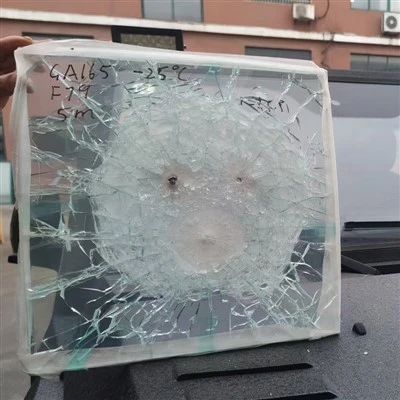
If you’re working on a project that requires EN 1063 compliance, it’s worth investing in proper shipping and handling from the start. We’ve seen clients who tried to cut costs on packaging only to have a $10,000 panel cracked, leading to project delays of 2 to 3 weeks and additional costs for reordering. Our approach is to make sure every step from our facility to your installation site preserves the glass’s certified performance, so you don’t have to worry about costly mistakes.
Bulletproof Glass for NIJ Standard At the end of the day, bulletproof glass is only as good as its ability to perform when it matters. The EN 1063 standard ensures it will stop a round when tested in a controlled environment, but shipping and handling are what turn that tested performance into real-world security. If you have questions about our EN 1063-compliant bulletproof glass, specific shipping requirements for your project, or need guidance on handling and installation, we’re here to help. Reach out to our team to discuss your needs, and we’ll provide a customized plan to ensure your glass arrives safely, compliant, and ready for installation.
References
- European Committee for Standardization. (2019). EN 1063: Glass in building — Bullet resistant glazing — Classification and requirements. Brussels, Belgium: CEN.
- American Society for Testing and Materials. (2021). ASTM F2100-21: Standard Practice for Handling and Shipping of Bullet-Resistant Glazing Materials. West Conshohocken, PA: ASTM International.
- Ballistic Protection Association. (2022). Guidelines for Packaging and Transport of Certified Ballistic Glazing. Arlington, VA: BPA.
- International Organization for Standardization. (2020). ISO 14644-1: Cleanrooms and associated controlled environments — Part 1: Classification of air cleanliness. Geneva, Switzerland: ISO.
- European Standardization Committee. (2021). Annexes to EN 1063: Installation and handling procedures for ballistic glazing. Brussels, Belgium: CEN.
Shaoxing Transparent Armoring Materials Co., Ltd.
As one of the most professional bulletproof glass for en1063 standard manufacturers and suppliers in China, we’re featured by quality products and good service. Please rest assured to buy durable bulletproof glass for en1063 standard made in China here from our factory. We also accept customized orders.
Address: No.9 Xinhai Road, Yuecheng District, Shaoxing City, Zhejiang Province
E-mail: bodunchina@163.com
WebSite: https://www.king-armor.com/
