If you’ve ever stood near a biomass steam boiler on a busy plant floor, you know that steady, quiet hum that signals everything’s running as it should. What you might not hear—though it’s a problem that plagues even the most well-maintained units—is a faint, sharp hissing that’s easy to miss at first: a steam leak. When I started in this industry 18 years ago, I thought a leak was just a nuisance, something to patch up and move on with. Over time, I’ve learned it’s a whole lot more than that. For biomass boilers, specifically, steam leaks aren’t just about wasted energy—they’re about safety, efficiency, and even the heart of why biomass systems exist in the first place: turning organic waste into usable power without wasting resources. Let’s break down how a biomass steam boiler handles these leaks, why it’s different from a fossil fuel-fired boiler, and what we, as a supplier, teach our clients to do when they spot one. Biomass Steam Boiler
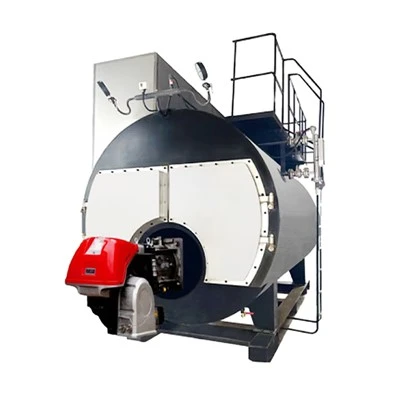
First, let’s get one thing straight: biomass steam boilers operate differently than, say, coal or natural gas units. The fuel—wood chips, agricultural residues, sawdust, even nut shells—isn’t as dense as fossil fuels, so the boiler runs at slightly different pressure and temperature ranges, and the heat transfer is a bit uneven. That means the components that hold steam (the pipes, gaskets, valve seats, and even the boiler’s drum) see more variable stress over time. A leak here doesn’t just lose steam; it’s often a sign of something else going wrong with the fuel feed or heat exchange. So handling a steam leak isn’t a one-size-fits-all fix for us. It’s a process that starts with spotting it correctly, because if you misdiagnose a biomass-specific leak, you can make the problem worse.
The first step, and the one most operators miss, is regular, targeted inspections. I’ve seen too many clients do a quick walkaround once a shift, checking for obvious puddles of water or hissing. With biomass boilers, the culprits are often in hard-to-see places: the flange connections on the superheater tubes, where the steam gets heated to higher temperatures; the boiler’s manway seals, which open for cleaning out ash and unburned fuel; and the valve stems on the steam outlet lines. We train our field techs to use thermal imaging cameras during inspections, because a steam leak will show up as a cold spot on the camera (steam is hot, so a leak that’s escaping will cool the surrounding metal) and a sound meter to pick up high-frequency hissing that’s too quiet for the human ear. For biomass units, we also add a check for fouling—organic fuel leaves ash and unburned particulates that can build up on pipe walls, cause corrosion, and eventually lead to leaks. That’s a big difference from fossil fuel boilers, which don’t have that same fouling issue, so our inspection routine is tailored specifically for the biomass fuel’s unique byproducts.
When a leak is found, the immediate response has to balance three things: safety for the workers, minimizing downtime, and not making the damage worse. Let’s take a real example I ran into last year at a food processing plant that uses our biomass boiler to power their drying operations. They came to us at 2 a.m., frantic because they’d spotted a small leak on a flange in the steam line leading to their dryers. It wasn’t a huge leak—maybe a quarter-inch of steam escaping—but the plant couldn’t shut down, because their product would spoil if the dryers went dark. Our first step was to depressurize the line on either side of the leak, not the whole boiler. Biomass boilers take longer to cool down than fossil fuel units, because the fuel is less dense and needs time to stop burning, so shutting down the entire system would have cost them $40,000 in lost product. We used a temporary sealant made specifically for high-temperature, high-pressure steam lines—one that won’t react with the ash or particulates from their wood fuel. It’s a two-part epoxy that cures in 15 minutes at 350 degrees, which is exactly the temperature of their steam line. We applied it to the flange’s leak point, monitored it for 10 minutes, and got the line back to full pressure without any issues. But here’s what we didn’t do: we didn’t just patch it and leave. We inspected the flange that same week, because the leak was a sign that the flange’s bolts had loosened from the vibration of the biomass fuel feed system. That vibration is constant, and over time, it can stretch or loosen bolts that hold flanges tight. We tightened the bolts, added a locking compound to prevent them from loosening again, and that leak didn’t come back.
A common mistake I see operators make is trying to use a generic leak seal, the kind you see advertised for home boilers. Biomass boilers run at higher temperatures than residential units, and the ash and unburned fuel can react with those generic sealants, causing them to break down quickly. That’s why we supply our clients with certified leak repair kits that are specific to our boiler models. These kits include high-temperature gaskets, bolt locking compounds, and sealants that are tested to work with the byproducts of the biomass fuel we specify for our units. We also train operators to never use water to put out a steam leak—steam is way hotter than boiling water, and adding cold water to a hot pipe can cause thermal shock, which can crack the pipe completely. That’s a rule we drill into every new client, because I’ve seen a pipe crack open from thermal shock, leading to a 3-day shutdown that cost way more than fixing the initial leak would have.
Now, for larger leaks—something that’s more than just a small hissing—we have a structured repair process that accounts for the biomass boiler’s unique design. Let’s say a leak is in the boiler’s steam drum, the large cylindrical part where steam is separated from water. That’s a more serious issue, because it’s a component that’s under constant pressure, and biomass units have a slightly different drum design than fossil fuel ones, to handle the variable heat from organic fuel. First, we isolate the affected section. That means closing the valves leading to the drum, draining a small amount of water to lower the pressure, and letting the drum cool gradually. Rushing this step is a bad idea: if you cool the drum too fast, the metal contracts unevenly, leading to stress fractures. We’ve had a client a few years ago who tried to speed up cooling by spraying water on the drum, and ended up with a crack that required replacing half the drum. That was a $120,000 mistake, and we’ve made sure all our clients know to take at least 8 hours to cool a steam drum for a major repair.
Once the section is cool, we inspect the leak to find the root cause. For steam drums, leaks often come from corrosion. Biomass fuel leaves corrosive gases (like sulfur and chlorine, depending on the fuel source) that can build up inside the drum over time. Unlike fossil fuel, which has controlled levels of these gases, biomass can vary a lot—if a client switches to a different type of wood or agricultural residue, the corrosion can speed up. So when we find a corrosion leak, we don’t just patch the hole. We also check the water treatment system, because if the water in the boiler isn’t properly treated, the corrosion will come back. We adjust the water chemistry to reduce the corrosive gases, and add a protective coating to the inside of the drum, which is a step specific to biomass boilers. Fossil fuel boilers might not need that same coating, because their fuel’s corrosive byproducts are different.
Another thing we teach our clients is predictive maintenance for steam leaks, which is way more effective than reacting after a leak happens. For biomass boilers, we recommend installing pressure sensors on every flange, valve, and pipe section. These sensors monitor small changes in pressure that indicate a leak before it becomes noticeable to the human eye. We also have a thermal imaging schedule—monthly for small-scale units, bi-weekly for large industrial ones—because catching a leak when it’s just a tiny spot saves thousands in downtime. Last year, a client of ours caught a leak on a superheater tube during a routine thermal scan, fixed it before it turned into a big problem, and saved $25,000 in potential losses. That’s the kind of proactive approach we push, because we know that for biomass boilers, the goal isn’t just to fix leaks—it’s to prevent them in the first place, while honoring the reason clients choose biomass: sustainability.
Wait, let’s circle back to that sustainability point. One of the biggest reasons our clients use biomass boilers is to reduce their carbon footprint, and steam leaks work against that. Every pound of steam lost is a pound of fuel wasted. A small leak that’s only a few gallons of steam per hour might not sound like much, but over a year, that’s thousands of dollars in fuel costs, and thousands of pounds of carbon emissions from burning extra biomass to make up for the lost steam. So handling steam leaks isn’t just a maintenance task—it’s a key part of keeping the biomass boiler’s sustainability promise. That’s a message I try to get across to every operator I work with: fixing a steam leak isn’t just saving money, it’s keeping their operation’s environmental goals on track.
I also want to talk about the human element here. I’ve been in this industry long enough to know that most steam leak issues aren’t just technical—they’re about how the team is trained. A few years ago, we had a client with a 10-person maintenance team, and they were so swamped with other tasks that they skipped their weekly inspection. They missed a leak on a valve stem that turned into a major failure during a production run. Now, we offer on-site training sessions for all our clients’ maintenance teams, not just one-time classes. We walk them through our inspection process, show them how to use the thermal cameras and pressure sensors, and even do a mock leak drill so they know exactly what to do if something goes wrong. We also have a 24/7 support line—if a client spots a leak at 3 a.m., they can call us, and one of our field techs will walk them through the steps over the phone, no matter where they are. That peace of mind is worth more than any repair kit, in my opinion.
Let’s address a common question I get: “Are steam leaks in biomass boilers different than other boilers?” The short answer is yes, because the fuel is different. The vibration from the fuel feed system is different, the byproducts from combustion are different, and the pressure control is a bit more variable because biomass fuel isn’t as consistent as fossil fuels. So a fix that works for a natural gas boiler might not work for a biomass one. For example, natural gas boilers often use graphite gaskets for flanges, but those gaskets can break down when exposed to the ash from wood fuel in a biomass boiler. We use high-temperature, fiber-reinforced gaskets that are resistant to ash and corrosive gases, which is a small but critical difference.
Now, what about when a leak happens during a shutdown? If a plant is taking the boiler offline for maintenance, we do a full leak inspection as part of the process. We pressure test the entire steam system with nitrogen, instead of air, because nitrogen is inert and won’t react with any remaining biomass fuel in the boiler. That test can catch a tiny leak that’s too small to see with the naked eye, and we fix it before putting the boiler back online. It’s an extra step, but it prevents unexpected leaks mid-production, which is the worst time for a boiler issue.
I’ve learned a lot over the years, and the biggest lesson is that handling steam leaks in biomass boilers isn’t about quick fixes. It’s about understanding how the system works, accounting for its unique components, and prioritizing both safety and sustainability. A leak isn’t just a break in a pipe—it’s a sign that something in the system is off, and fixing it properly means addressing the root cause, not just the symptom.

If you’re running a facility with a biomass steam boiler, or looking to install one, don’t wait for a steam leak to become a problem. Whether you need a routine inspection, a repair kit specific to your model, or training for your maintenance team, we’re here to help. We’ve worked with hundreds of clients across industries—food processing, pulp and paper, agricultural processing—and we tailor our support to each boiler’s unique needs. Contact our team today to discuss your biomass boiler’s maintenance needs and find the right solutions to keep your system running smoothly, safely, and efficiently.
Gas Hot Water Boiler References:
- Biomass boilers: Design, operation, and maintenance guidelines. International Energy Agency, 2021.
- Steam leak detection and repair for industrial boilers. U.S. Department of Energy, Office of Energy Efficiency and Renewable Energy, 2020.
- Corrosion management in biomass-fired steam systems. Journal of Process Safety and Environmental Protection, Vol. 112, 2017.
- Thermal shock in pressure vessels: Causes and mitigation. American Society of Mechanical Engineers, 2019.
Xinxiang Huayuan Container Equipment Co., Ltd.
With abundant experience, we are one of the most reliable biomass steam boiler manufacturers and suppliers in China. We warmly welcome you to buy durable biomass steam boiler made in China here from our factory. If you have any enquiry about cooperation, please feel free to email us.
Address: No.2, South Road, Industrial Cluster Zone, Genghuang Township, Fengquan District, Xinxiang City, Henan Province
E-mail: cncd527@gmail.com
WebSite: https://www.huayuanequipment.com/
