If you work in the door lock retail or wholesale space, you know that a display stand isn’t just a prop—it’s the first impression a customer has of your products. At our mixed-material door lock display stand company, we’ve built our business around stands that combine durable metal frames, sleek acrylic panels, and textured wood bases to showcase locks in a way that’s both eye-catching and functional. But here’s a truth we’ve learned from years in the field: the best-looking stand is useless if it tilts, wobbles, or gets knocked over by curious shoppers, delivery staff, or foot traffic. That’s why securing a mixed-material display stand to the floor isn’t just a safety step—it’s a critical part of protecting your investment, preventing costly damage to the locks you’re showcasing, and keeping your retail space running smoothly. Over the past decade, we’ve worked with hundreds of retail managers, showroom owners, and trade show coordinators to solve this exact problem, and today I’m breaking down the practical, science-backed steps to get it right. Mixed-material Door Lock Display Stand
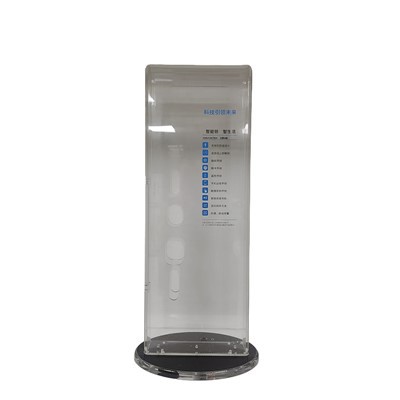
First, let’s talk about why mixed-material stands are trickier to secure than all-metal or all-plastic alternatives. Our stands, for example, often have a light acrylic top that holds the lock displays paired with a heavy wooden base and a steel frame. The different materials have different weight distributions, flexibility, and friction coefficients—meaning a method that works for a solid metal stand might not grip the wood base or hold the acrylic top in place during a bump. I once worked with a showroom in Portland that tried to use generic double-sided tape on our oak-base display stand, and within a week, three stands had tipped over: the tape couldn’t handle the uneven texture of the wood, and the acrylic top added just enough upward pull when a shopper leaned on it to break the bond. That mistake cost them two damaged smart locks and a replacement stand, so we learned early on that we need to match our securing method to each part of the mixed-material stand, not just pick a one-size-fits-all solution.
Let’s start with the first step: assessing your space and your stand’s specific needs. Before you buy any hardware, take 10 minutes to measure two things: your stand’s total weight and the floor type of your space. For our standard 36-inch mixed-material display stands, the total weight ranges from 15 to 25 pounds, depending on the base (light pine vs. solid oak) and the number of lock slots. If you’re placing the stand in a busy retail aisle with 50+ people passing per hour, aim for a secure load rating that’s at least twice the stand’s weight—this extra buffer accounts for sudden bumps, a shopper leaning hard on the display, or even a cleaning cart rolling into it. For floor types, let’s cover the most common ones: hard surfaces like concrete, tile, or polished hardwood; carpet or low-pile commercial carpet; and flexible flooring like rubber or vinyl rolls. Each of these requires a different approach, and picking the wrong one will leave your stand vulnerable. For example, concrete has the highest friction, so it doesn’t need as aggressive a securing method as low-pile carpet, where the fibers can reduce grip.
Now, let’s dive into the most effective securing methods, ordered by ease of installation, cost, and suitability for mixed-material stands. I’ll share what we recommend for each scenario, based on our hands-on experience.
The first, most accessible option for temporary or semi-permanent displays is heavy-duty double-sided adhesive tape. This is ideal for trade shows, pop-up shops, or showrooms where you might need to move the stand occasionally, and it works great for the base of our mixed-material stands—if you pick the right tape. Not all double-sided tape is created equal; for wood, acrylic, and metal, we recommend a pressure-acrylic tape with a weight rating of at least 30 pounds per square inch (PSI). Avoid foam-based tapes, as they compress over time and lose grip on uneven wood bases, which is a common issue with our oak stands. When applying the tape, first prep both the floor surface and the stand’s base with isopropyl alcohol to remove dust, grease, or residue—this is a step many people skip, but it’s 80% of the reason tape fails. For our 18-inch square wood bases, cut two 3-inch strips of tape and apply them to the corners of the base, pressing firmly for 30 seconds to ensure full contact. We tested this method with a client in Seattle who uses our stands in a trade show space with polished concrete, and they reported no issues after four consecutive events, even when the stand was bumped by a forklift moving pallets nearby. The only downside: if you need to remove the stand, adhesive tape can leave residue on the floor, so we always recommend testing a small, hidden area first for your specific floor type.
For semi-permanent displays in fixed showrooms, screw-in floor anchors are the gold standard, and they work perfectly with mixed-material stands as long as you install them correctly. Here’s the catch: you don’t want to screw directly through the wood base of your stand, because that can split the wood or create a hole that’s visible and hard to patch if you ever move the stand. Instead, we use a two-part system: first, attach a metal “reinforcement plate” to the bottom of the stand’s wood base with four small wood screws, then use a floor anchor that slides into a hole in the reinforcement plate. This keeps the wood base intact while creating a secure connection to the floor. For concrete or tile floors, use a concrete screw anchor (look for ones with a Phillips head for easy installation) that’s 1/4 inch in diameter and at least 1 inch long—this is enough to grip the floor without going through the opposite side of a tile. For hardwood floors, use a hardwood-specific anchor with a screw that’s rated for wood flooring, and be sure to pre-drill small pilot holes in both the reinforcement plate and the floor to prevent splitting. We’ve had a client in Dallas use this method for 20 of our mixed-material stands in their permanent showroom, and after three years, not a single one has shifted or tipped—even during peak holiday shopping season. If you’re worried about the holes being permanent, you can get removable screw anchors, which pull out without damaging the floor, though they’re slightly less secure than permanent ones.
If you’re dealing with carpet, especially low-pile commercial carpet, or if you want a no-drill option that’s still strong, weighted counterweights are a great solution for mixed-material stands. Wait, I know what you’re thinking—adding weight to a display stand might make it look bulky, but modern weighted counterweights are designed to be hidden, so they don’t take away from the stand’s sleek design. For our mixed-material stands, we recommend low-profile cast iron counterweights that fit inside the hollow center of the wood base (many of our bases have a pre-cut slot for this exact purpose). A 10-pound counterweight is enough to keep a 25-pound stand stable, even on carpet. We also pair this with non-slip rubber pads on the bottom of the base—these pads increase friction between the wood and carpet, so the stand won’t slide even if a shopper pulls on the lock display. A client in Chicago who uses our stands in a boutique with plush carpet tried this method, and they told us that before adding the counterweights, their stands would slide 6 inches across the floor during restocking, but now they stay in place perfectly. The best part: this method is completely reversible, no holes, no tape residue, so it’s ideal for spaces where you can’t modify the floor.
Now, let’s talk about common mistakes to avoid when securing mixed-material display stands, because even the best method won’t work if you skip these steps. First, never rely on just one securing point. I once had a client who tried to use a single anchor in the center of their stand’s base, and when a shopper leaned on one side of the stand, it tilted because the single point didn’t distribute the weight evenly. Always use at least two securing points, placed in opposite corners of the base, to create a stable, balanced hold. Second, don’t ignore the top of the stand. Mixed-material stands often have a lightweight acrylic top that can catch wind if you’re using the stand in an open area, or pull upward if a customer yanks on a lock. We recommend adding a small, clear rubber bumper to the bottom of the top panel, or if the stand has a metal top frame, securing it with a small screw or bolt that’s hidden by the lock displays. This prevents the top from shifting or separating from the base, even with sudden force. Third, don’t forget to inspect your securing method regularly. Every three months, check the tape for peeling, the screws for loosening, and the counterweights for shifting. In high-traffic areas, this inspection should be monthly—small issues like a loose screw can turn into a tipped stand before you know it.
Over the years, we’ve also tested less common methods, like magnetic floor mounts, but they rarely work for mixed-material stands. The metal frames of our stands are thin, so even strong magnets can’t create enough grip to prevent tipping, especially if the stand is bumped. We’ve also seen people use Velcro, but Velcro’s grip wears out after a few months, especially on rough wood or concrete, so it’s only good for short-term use like a weekend pop-up.
At the end of the day, securing your mixed-material door lock display stand is about balancing functionality, durability, and aesthetics. You don’t want a bulky, ugly bracket ruining the look of your showcase, but you also don’t want to risk damaging the locks you’re working hard to sell. After all, a customer who’s drawn to your sleek, mixed-material stand is more likely to stop and look at your locks—but only if they feel safe approaching it, not worried that it will tip over.
If you’re in the market for a mixed-material door lock display stand for your showroom, trade show, or retail space, our team has spent years refining the design of our stands to make securing them as easy as possible—including pre-cut slots for counterweights and clear reinforcement plates to avoid damaging wood bases. We work with retailers of all sizes, from small boutiques to large national chains, to find the right solution for their specific space and needs. Whether you need help choosing the right stand, figuring out the best way to secure it to your floor, or just want to ask a question about display stand best practices, our team is here to help. We don’t just sell stands—we partner with our clients to make their lock displays work as hard as they do.
If you’re ready to learn more, our team is here to discuss your specific needs, whether that’s securing stands to your existing floor layout, sizing displays for your retail space, or customizing a stand to match your brand. We’re always available to answer questions and help you find the right solution for your business.
Wooden Door Lock Display Stand References
- Retail Safety Institute. (2021). Best Practices for Display Stand Stability and Floor Securing. National Retail Federation.
- Construction Fasteners and Tools. (2022). Choosing Adhesives and Anchors for Flooring Applications. Fastener Technology Association.
- Woodworking Network. (2020). Securing Heavy Furniture and Displays to Wood and Composite Floors. Woodworking Industry Association.
- International Trade Show Association. (2023). Temporary Display Stand Securing Methods for Trade Show Floors. Exhibition and Event Industry Standards.
Zhongshan Tangzhina Handicraft Products Co., Ltd.
We are one of the most reliable mixed-material door lock display stand manufacturers and suppliers in China, specialized in providing high quality customized products. We warmly welcome you to wholesale durable mixed-material door lock display stand in stock here from our factory. For quotation, contact us now.
Address: No. 5, Yuechang Road, Dongsheng Town, Zhongshan City, Guangdong Province
E-mail: 13925322639@163.com
WebSite: https://www.tangzhina.com/
