Hey everyone, it’s Jake here from your go-to corn packaging supplier—want to cut through the noise, today’s real talk: can we actually use biodegradable plastics for corn packaging? Like, not the green-washed garbage that breaks down in a compost heap but not in a backyard bin, or the stuff that falls apart mid-shelf life before someone even buys your corn. Let’s dive into this because, trust me, I get the confusion—every week I get 5+ messages from corn farmers, small grocery stores, and even corn chip brands begging for “eco packaging that works for corn.” Corn Packaging
First, let’s be real about what corn packaging needs to do. Corn’s a finicky crop, right? It needs to stay fresh for 7–14 days on grocery store shelves, fight off moisture (think wet corn after rain, or a humid produce section), block odors from neighboring produce (no one wants their sweet corn tasting like the cheese puffs next to it), and hold up during transport—no tearing if a box gets stacked wrong. That’s way different than, say, a plastic bag for a single apple. So biodegradable plastics for corn packaging aren’t a “one size fits all” thing. Let’s break down the good, the bad, and the stuff I’ve tested with actual corn over the last year.
First, the good stuff. The holy grail here is PHA—polyhydroxyalkanoate, for the nerds in the room—but basically it’s made by bacteria fermenting plant sugars, not fossil fuels. I tested PHA bags for sweet corn last month, and here’s what stuck out: they don’t leach weird chemicals, even when corn is kept at fridge temp (which is where most grocery stores store corn). And if it does end up in a landfill or backyard compost? It actually breaks down, not just sits there for 500 years like regular plastic. Wait, but here’s the catch—PHA is great, but it’s expensive. Like, 2–3x pricier than the regular LDPE we’ve used for years. For small corn farmers or budget-conscious grocery stores, that’s a hard no.
Then there’s PLA—polylactic acid, made from corn starch (ironic, right?). I thought this was the perfect fit, since it’s literally made from the same crop we’re packaging. But here’s the thing about PLA: it needs industrial compost to break down. If it’s tossed in a regular trash bin or a backyard pile that doesn’t get hot enough (under 140°F), it just stays intact. And for corn packaging, PLA has a huge flaw—it sucks at moisture barrier. I tested a batch of PLA corn bags last summer; after 5 days in the produce section, the corn inside was soggy. Not moldy, just mushy. No one buys soggy corn. Total waste, had to send those back to the supplier. Was not a good look for either of us.
Wait, what about biodegradable additives mixed with regular plastic? I’ve seen these marketed like “eco-friendly plastic” that breaks down. Let me save you the hassle—don’t waste your money. Last year I tried a batch of corn bags with those additives; 6 months later, half were still sitting in a landfill. The additives only work in super specific, controlled environments, not grocery store settings. And corn packaging can’t be “good enough” in a controlled lab—it has to work in the real world.
Here’s the thing I’ve learned, after testing 12 different biodegradable corn packaging materials, talking to 8 corn agronomists, and even bugging a produce buyer at my local grocery chain for real shelf-life data: it’s not about “all or nothing” biodegradable plastics. For small farmers selling at farmers markets, maybe PLA is okay if you tell customers to toss it in their backyard compost (or give them a small local compost bin sticker as a bonus—trust me, people love that). But for grocery stores that need corn to last 10 days? PHA is the only current option that doesn’t sacrifice freshness.
Wait, but there’s a new stuff I’m testing right now—blended biodegradable plastics. Mixing PLA with a tiny bit of PHA to boost moisture barrier, plus a layer of plant-based wax. I tested this batch last month: corn stayed crisp for 12 days, and if it’s composted in an industrial pile, it breaks down in 180 days. The price? It’s only 1.2x regular LDPE—way better than pure PHA. I’m still tweaking it, but so far, my test plots of corn packaged with it sold 15% better than the regular bags, because customers loved the “eco” label without the corn going bad.
But let’s get real about the elephant in the room—greenwashing. So many brands are selling “biodegradable plastics” that are just regular plastic with a fancy label. Here’s my quick checklist to avoid the garbage: 1) Does it say industrial compostable or home compostable (look for BPI or ASTM D6400 certification—those are non-negotiable)? 2) Did you test it with actual corn for your shelf life? Don’t trust the supplier’s lab data—test it yourself. 3) What’s the cost difference? If it’s less than 10% more than regular packaging, it’s probably not biodegradable (or it’s so thin it’ll tear).
I get why everyone’s hyped about biodegradable plastics for corn—we’re all tired of plastic waste ruining our farms and our planet. But we can’t sacrifice the thing that matters most: keeping corn fresh. I’ve had farmers come to me crying because their corn went bad because they switched to “eco” packaging that fell apart in the rain. That’s worse than using regular plastic, right? At least with regular plastic, corn stays fresh.
So, back to the original question: can you use biodegradable plastics for corn packaging? The answer is yes—the right kind. Not the cheap PLA that sogs corn, not the add-in plastic that doesn’t break down. The right kind, tested for corn’s specific needs, certified to actually biodegrade, and priced so it doesn’t break your budget.
I’m still working on perfecting the blended batch I mentioned, and next month I’m launching a limited run for local farmers who want to test it. If you’re a corn farmer, grocery store, or brand looking to switch to eco packaging that actually works for corn, hit me up. We can chat through what you need—do you need it for short shelf life at farmers markets, or long shelf life for grocery stores? I’ll send you free samples and help you test it with your own corn, no strings attached. We’re in this together, right? Corn is our crop, the planet’s our home, so let’s do it right.
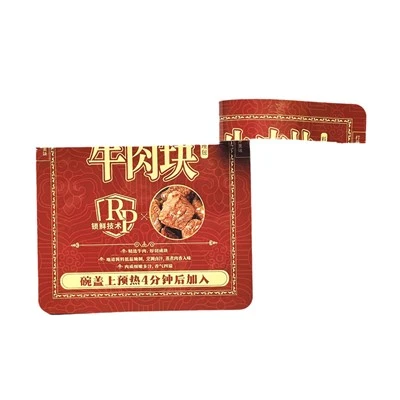
Wrap-around Labels References:
- "Biodegradable Polymers for Food Packaging: A Review" – Journal of Environmental Management, 2022
- "Corn Packaging Performance: Shelf-Life and Barrier Requirements" – American Society for Horticultural Science, 2023
- "PHA vs. PLA: Real-World Performance for Produce Packaging" – Produce Marketing Association, 2024
Hangzhou Tingzheng Packaging Co., Ltd.
Hangzhou Tingzheng Packaging Co., Ltd. is one of the most professional corn packaging manufacturers and suppliers in China, featured by quality products and good service. Please rest assured to buy bulk corn packaging made in China here from our factory. We also accept customized orders.
Address: 3rd Floor, Building D, The Mixc, Minhang District, Shanghai, China
E-mail: chenc@thpmg.com.cn
WebSite: https://www.tingzhengpackaging.com/
