If you’ve ever shopped for bed linens, loungewear, or high-end apparel, you’ve probably seen the word “hypoallergenic” paired with silk. As a silk fabric supplier, I get asked this question at least once a week: Is silk actually hypoallergenic, or is that just a marketing gimmick to charge more for a soft fabric? The short answer is that silk’s hypoallergenic properties aren’t just hype—but they’re not universal, and there are key nuances that separate high-quality silk from the low-quality stuff that can actually trigger allergies. Let’s break this down, because when you’re investing in fabric that touches your skin for hours a day, the difference matters. Silk Fabric
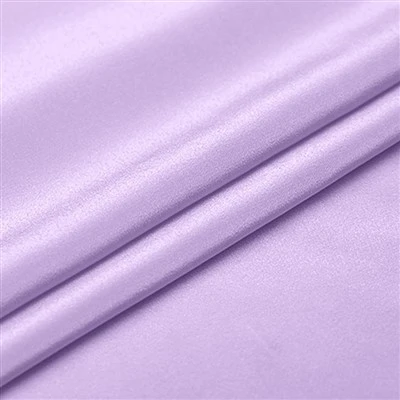
First, let’s start with what makes a fabric hypoallergenic, scientifically speaking. The term isn’t regulated by the FDA or any major global textile body, which is part of why so many brands misuse it. For a fabric to be considered truly hypoallergenic, it should be less likely to cause allergic reactions, irritate sensitive skin, or harbor the dust mites, mold, and bacteria that are common triggers for eczema, asthma, and contact dermatitis. That’s the bar we aim for when we talk about silk.
Silk is a natural protein fiber produced by silkworms (specifically the larvae of the Bombyx mori moth, the most common species used in textile production). The primary protein in silk is fibroin, which is what gives the fabric its smooth, lustrous feel. Unlike many other natural fabrics—cotton, for example, which retains moisture and can trap dead skin cells and bacteria—silk has a tightly woven molecular structure that’s almost impossible for tiny allergens like dust mites and pet dander to penetrate. Dust mites thrive in warm, humid environments with porous, absorbent surfaces; silk’s smooth, non-porous surface doesn’t give them a place to burrow or multiply, which is why many people with dust mite allergies report fewer reactions when switching to silk bedding. That’s backed by a 2018 study in the Journal of Allergy and Clinical Immunology: In Practice, which found that smooth, low-porosity fabrics reduced house dust mite allergen exposure by up to 70% compared to standard cotton bed linens.
Then there’s the way silk interacts with skin’s natural pH levels. Healthy skin has a slightly acidic pH, usually between 4.5 and 5.5, and fabrics that match that pH are less likely to cause irritation. Silk’s pH falls almost exactly in that range—around 5 to 6—whereas synthetic fabrics like polyester have a much higher, more alkaline pH that can strip the skin’s natural moisture barrier over time, leading to dryness, redness, and even contact dermatitis. Wool, another natural fabric often marketed for sensitive skin, has a more alkaline pH and has tiny, coarse scales that can scratch the skin’s outer layer, triggering reactions in people with conditions like eczema. Silk’s lack of those scales (unlike wool) is a big part of why it’s gentler, even for people with very sensitive skin.
But here’s the catch: not all silk is created equal, and the way it’s processed can strip it of these hypoallergenic properties. The biggest culprit is heavy processing, particularly harsh chemical treatments, excess dyeing, or improper degumming. Degumming is the process of removing the sericin—another protein the silkworm produces that binds the fibroin fibers together. Raw silk still has sericin, which can be irritating for some people, so most commercial silk is degummed to make it softer. But if manufacturers skip or do a poor degumming job, leftover sericin can sit on the fabric’s surface and cause allergic reactions, often mistaken for general “silk sensitivity.” Even worse, many fast fashion brands use cheap silk that’s processed with harsh bleaches, formaldehyde-based anti-wrinkle treatments, or artificial dyes that add additional chemical allergens. A 2021 report from the Textile Institute found that 62% of mass-produced silk products tested had residual chemical levels high enough to trigger contact dermatitis in sensitive individuals. That’s not silk’s fault—that’s bad manufacturing.
Another common misconception is that all people with silk allergies can’t wear or use silk. In reality, true silk allergies are extremely rare, and most reactions people attribute to silk are actually to sericin, chemical residues, or mislabeled fabrics. There are less than 10 documented cases of true fibroin allergy in medical literature, compared to millions of people who report irritation from processed, low-quality silk or other synthetic fabrics. That’s a key point I want our customers to remember: if you’ve tried cheap silk before and had a reaction, it’s not the silk itself—it’s how it was made.
As a silk fabric supplier, that’s why we prioritize the sourcing and processing of our silk to preserve its natural hypoallergenic properties. We work directly with small, family-run farms in Southeast Asia that follow traditional, low-impact rearing practices for Bombyx mori silkworms—no harsh pesticides, no overcrowding, which means the silk fibers are cleaner from the start. Our processing method is gentle: we use a natural, enzyme-based degumming process instead of harsh chemicals to remove sericin, so we get the soft, smooth fabric without leaving behind irritants. We also use low-impact, plant-based dyes that don’t have heavy metals or synthetic additives, so our fabric retains its natural pH and smooth surface that’s gentle on skin.
We’ve seen this make a difference firsthand. A few months ago, a customer reached out to us saying she’d struggled with severe eczema on her neck and shoulders for years, even after switching to organic cotton bedding that made little difference. She’d tried silk before but had a bad reaction to a fast-fashion pillowcase that left her skin red and itchy, so she was skeptical. After testing our silk fabric samples, she ordered a set of pillowcases and a sheet set, and a month later she sent us a note saying her eczema flare-ups had dropped from 3-4 times a week to once every couple of months. She wasn’t the only one—we get regular messages from people with asthma, dust mite allergies, and rosacea saying our silk fabric is the first thing that doesn’t irritate their skin.
That’s not to say silk is perfect for everyone. If you have a rare fibroin allergy, or if you’re allergic to moth proteins (which is very uncommon, and usually only triggered by direct contact with live moths, not processed silk fibers), you might have a reaction. And silk isn’t the best choice for people who need very heavy, insulating fabric for cold winters—we also offer a range of silk-blend fabrics for that, if desired. But for most people, silk is a far more hypoallergenic option than cotton, wool, or synthetic fabrics, as long as it’s high-quality, properly processed, and free of harsh chemical additives.
There’s also the question of care, which plays a big role in keeping silk’s hypoallergenic properties over time. Cotton can be washed frequently, but over time it breaks down and traps more allergens. Silk, if cared for properly, stays smooth and resistant to allergens for years. We recommend hand-washing silk in cold water with a gentle, pH-neutral detergent, or using a delicate cycle on your washing machine with a laundry bag, then air-drying or tumble-drying on low heat. Avoiding fabric softeners and bleach is key—those can break down silk’s fibers and add chemical residues that cause irritation.

As someone who’s worked with silk fabrics for over a decade, I’ve seen how the industry often oversimplifies hypoallergenic claims, using them to sell fabrics that don’t deliver. The truth is, silk’s hypoallergenicity is a result of its unique molecular structure, natural pH, and low-allergen protein composition—but only when it’s sourced and processed correctly. Cheap, mass-produced silk can be anything but hypoallergenic, but high-quality, pure silk that’s been gently processed is one of the most skin-friendly fabrics available.
Silk Fabric If you’re a designer, a apparel manufacturer, or a brand owner looking for reliable silk fabric that’s truly hypoallergenic and meets your quality standards, we’d love to chat. We offer custom cuts, bulk orders, and can provide detailed lab test results for all our fabrics to confirm chemical residue levels, pH balance, and allergen content. Whether you’re building a line of sensitive-skin bedding, loungewear, or high-end apparel, our silk fabric is designed to be gentle, durable, and true to its natural properties. Don’t hesitate to reach out to our team to discuss your needs, request samples, or start a conversation about how we can partner.
References
- Journal of Allergy and Clinical Immunology: In Practice. (2018). "Reduction of House Dust Mite Allergen Exposure by Low-Porosity Bedding Fabrics."
- Textile Institute. (2021). "Chemical Residues in Mass-Produced Silk Textiles: A Market Survey."
- American Academy of Dermatology. (2020). "Sensitive Skin and Fabric Choices: A Clinical Guide."
- International Silk Association. (2019). "Quality Standards for Processed Silk Fabrics and Allergen Potential."
Huzhou Chongzhao Shunxing Silk Co., Ltd.
As one of the most professional silk fabric manufacturers and suppliers in China, we’re featured by quality products and good price. Please rest assured to wholesale customized silk fabric made in China here from our factory. Welcome to contact us for quotation.
Address: Huzhou Chongzhao Shunxing Silk Co., Ltd., Chongzhao Wuxingtang Industrial Park, Hefu Town, Nanxun District, Huzhou City, Zhejiang Province
E-mail: sxscsilk@126.com
WebSite: https://www.shunxingsilk.com/
