If you’ve ever walked into a restaurant that feels like it’s designed to make you linger longer, laugh louder, and come back again, you know the power of the space around you. The walls aren’t just a blank space—they set the mood, stand up to daily chaos, and send a quiet message about what kind of experience you’re about to have. But for restaurant owners, designers, and contractors, choosing wall coverings comes with a long list of non-negotiables: they need to be durable enough to survive busy service, easy to clean after sticky spills and high-traffic footfalls, resistant to moisture from dishwashers and kitchen steam, and versatile enough to fit a casual diner, a fine-dining bistro, or a trendy rooftop spot. For years, vinyl, drywall, tile, and wood paneling have been go-tos, but lately, I’ve been getting a lot of questions from the restaurant community: Can WPC wall panels actually work in a commercial kitchen, dining room, or bar? As a WPC wall panel supplier who’s worked with dozens of restaurants across North America over the past five years, the short answer is a resounding yes—here’s why, and how we tailor our panels to fit every restaurant’s unique needs. WPC Wall Panel
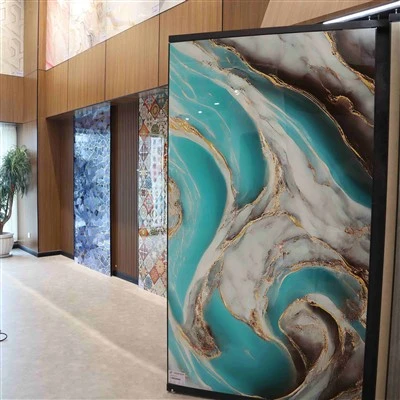
First, let’s break down what WPC wall panels are, because a lot of people hear “wood-plastic composite” and picture flimsy, cheap material that bends or fades after a year. WPC is made from a blend of recycled wood fiber and thermoplastic resin, mixed with UV stabilizers, antimicrobial additives, and fire-retardant compounds during the manufacturing process. The result is a hybrid material that combines the natural warmth of wood with the ruggedness of plastic—perfect for spaces that demand performance without sacrificing style. For restaurants, that’s a game changer because every inch of a commercial space is under strain 12 to 16 hours a day, six or seven days a week.
Let’s start with the big one: durability. Commercial restaurants have a way of wearing down anything you put on walls. Busy servers bump carts against surfaces, cleaning crews scrub walls multiple times a day to grease, sauce, and food residue, and foot traffic in high-traffic dining areas means walls get scratched, scuffed, and occasionally marked by wayward backpacks or table edges. Our WPC wall panels are impact-resistant—we’ve tested them to withstand minor collisions from metal service carts and dropped glassware without chipping or cracking, a far cry from drywall or even thin tile that can crack or chip after a few months of heavy use. Unlike solid wood, which swells and shrinks with temperature and humidity swings, WPC is dimensionally stable. That’s critical for kitchens, where steam from stoves and dishwashers can make other materials warp. I had a client last year who ran a small Italian restaurant with a 100-seat dining room and an open kitchen. They’d tried solid wood paneling before, and after just one summer, the panels above the stove had swollen, pulled away from the wall, and started to gap. When they switched to our WPC panels, that problem vanished. The blend’s plastic component doesn’t absorb moisture, so even in steamy kitchen areas, the panels stay flat, no cracks, no gaps, no need for constant patching or replacement.
Next, cleaning and hygiene—something non-negotiable for any food service space. The National Restaurant Association’s food safety guidelines require that all wall surfaces in food preparation areas be smooth, non-porous, and easy to sanitize. Porous materials like uncoated drywall, bare wood, or even some types of paint can trap bacteria, mold, and food particles in their tiny crevices, which is a major health risk. Our WPC panels have a smooth, non-porous surface that won’t harbor bacteria, and they’re finished with a UV-cured coating that stands up to harsh commercial cleaners, degreasers, and even steam cleaning. I’ve had a lot of prep cooks tell me they love working with WPC panels because a quick wipe with a degreaser removes even baked-on pasta sauce or grill smoke residue. Unlike tile, which has grout lines that can trap gunk and are a nightmare to scrub, WPC panels are solid, so there’s no hidden dirt in grout. They’re also impervious to mold and mildew, which is a huge plus in areas like bar backs or restroom walls that get regular moisture exposure. One of our newer clients is a farm-to-table sushi spot, where cross-contamination is a top concern. They installed our WPC panels in both the dining area and the open sushi prep station, and their health inspector commented that the smooth, non-porous surface was one of the easiest to inspect for cleanliness they’d ever seen. That’s not just a nice perk—it helps restaurants pass their health inspections with flying colors, which is the last thing any owner wants to worry about.
Then there’s versatility, which is what makes WPC such a great fit for every type of restaurant. I’ve worked with a taco shop in Austin that wanted a vibrant, bold look that could handle the chaos of weekend brunch rush, a fine-dining French bistro in Chicago that needed warm, elegant wood tones that didn’t require the upkeep of real wood, and a rooftop bar in Miami that needed panels that could stand up to sun and humidity. Our WPC panels come in hundreds of finishes: everything from natural oak and walnut grains to matte black, bright red, and even custom patterns that a restaurant can match to their branding. Unlike real wood, which fades and discolors after exposure to direct sunlight, our panels have built-in UV stabilizers, so they won’t yellow or fade even in a rooftop space with no overhead covering. They’re also lightweight, which makes installation faster and easier—no need for heavy contractors or specialized tools, which cuts down on downtime during renovations. For a restaurant that’s closing for a weekend to renovate, that downtime is lost revenue, so faster installation is a huge win. I had a client who ran a 50-seat breakfast café in Boston that wanted to update their dining room for summer. They had a tight 72-hour window to get the panels installed before they opened again, and our WPC panels went up in two days flat—way faster than the tile or drywall job they’d done three years prior.
But let’s be real: no material is perfect, and WPC wall panels aren’t a one-size-fits-all solution. I always tell clients that WPC works best in areas that see high traffic, moisture, or frequent cleaning—so kitchen walls, dining rooms, bar backs, and even exterior patio structures if needed. For high-heat areas directly behind a grill or pizza oven that reach over 200 degrees Fahrenheit, I’d recommend pairing WPC panels with a heat-resistant barrier to be extra safe. Also, while the surface is scratch-resistant, very sharp objects can leave marks—we always advise restaurants to use soft-tip markers for signage or wall art instead of permanent markers, and to avoid dragging heavy furniture or carts across panel edges. But compared to other wall coverings, these are minor, manageable issues.
Another big selling point for restaurants is longevity. Our WPC panels come with a 10-year commercial warranty, and I’ve seen panels last 15 years or more in busy spaces with minimal maintenance. That’s a big deal for a restaurant, where walls are often one of the most expensive recurring maintenance costs. I had a client who owned three neighborhood diners in Ohio; they switched to our WPC panels in all three locations five years ago, and so far, they’ve only needed to replace two panels in total—one where a cart accidentally hit it, and another that was damaged during a pipe leak. The upkeep is as simple as wiping them down with a damp cloth and mild soap; no sanding, no repainting, no sealing like you would with wood or tile. That frees up staff time to focus on other parts of the business, like serving customers.
I know a lot of restaurant owners and designers are still skeptical, especially if they’ve only heard of WPC as a material for outdoor decking or basic sheds. But the WPC wall panels we manufacture are a step up from that—they’re formulated specifically for interior and exterior commercial spaces, with antimicrobial additives that meet food safety standards and fire ratings that comply with U.S. and international building codes. We’ve had panels tested for fire resistance by third-party labs, and they meet Class A fire ratings, which is required for most commercial buildings in the U.S. That’s a non-negotiable for any commercial space, especially restaurants with open flames, grills, or fryers.
Over the past few years, I’ve seen more and more restaurants make the switch to WPC wall panels, and the feedback has been incredible. One of my favorite stories is from a small vegan burger spot in Portland that wanted a warm, natural look without the worry of cross-contamination. They installed our white oak-grain WPC panels in the dining area and behind the counter, and they told me that since switching, their cleaning time for walls has been cut by 50 percent. They also got a lot of compliments from customers on how inviting the space feels—something you don’t always get with tile or drywall. Another client, a sports bar in Detroit with 20 TV screens and hundreds of regulars, installed our dark gray WPC panels in the bar area, and they say they haven’t had to repair or replace a single panel in three years, even with people leaning against the walls and spilling beer multiple times a week.
At the end of the day, a restaurant’s walls are more than just a functional part of the space—they’re part of the customer’s experience, and part of the restaurant’s bottom line. If you’re a restaurant owner tired of repairing chipped tile, repainting scuffed walls, or dealing with warped wood, WPC wall panels are a solution that balances performance, style, and value. If you’re considering updating your space, whether it’s a new build or a renovation, I’d be happy to walk through how our panels can fit your specific needs, from style preferences to budget to the unique demands of your space.
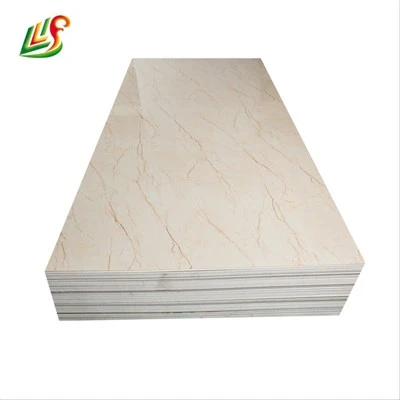
If you’re ready to explore how WPC wall panels can elevate your restaurant’s space and reduce long-term maintenance costs, reach out to us to discuss your project details and get a customized quote.
WPC Wall Panel References
- National Restaurant Association. (2022). Food Safety Standards for Commercial Foodservice Facilities.
- American Society for Testing and Materials (ASTM). (2021). Standard Test Methods for Water-Based and Oil-Based Degreasers for Cleaning Food Processing Equipment.
- International Building Code (IBC). (2022). Fire Resistance Requirements for Interior Wall Finishes.
- Wood-Plastic Composite Institute (WPCI). (2023). Commercial Applications of WPC Wall Panels for High-Traffic Spaces.
- Centers for Disease Control and Prevention (CDC). (2022). Hygiene Standards for Food Service Establishment Surfaces.
Shandong Fanjie International Trade Co., Ltd.
As one of the most professional WPC wall panel manufacturers in China, we have world-leading production equipment and strong manufacturing capabilities. Please feel free to buy bulk high quality WPC wall panel from our factory. We also accept customized orders.
Address: L4-015 Cross border E-commerce Entrepreneurship Park, Lanshan District, Linyi City, Shandong Province
E-mail: info@lsdec.com
WebSite: https://www.fanzeradecor.com/
