If you’ve walked through a modern, newly built shopping mall in the last three years, you’ve probably glanced at a large, glass-like screen above a storefront, hanging between the ceiling and the second floor, or even wrapping around a curved pillar—its imagery bright, crisp, and never blocking the view of the store or the mall path behind it. As a transparent LED screen supplier who’s worked with malls across North America and Europe for the past seven years, I get asked one question more than any other: “Can this tech actually work for shopping malls, or is it just another flashy trend that fades in a year?” Transparent LED Screen

I don’t blame anyone for asking. When transparent LED screens first hit the commercial market around 2018, most applications were in luxury fashion showrooms or museum exhibit spaces, where the focus was on “wow factor” rather than practical, long-term use in high-traffic retail environments. Back then, early screens had glaring issues: poor visibility in bright daylight, fragile panels that cracked if a shopping cart bumped them, and high power bills that made malls run the tech only for holiday weekends. Today, those problems are solved, and transparent LED screens have become a functional, cost-effective tool for shopping malls of all sizes. Let’s break down why they work, what they solve for mall operators and retailers, and how they fit into the future of in-person shopping.
First, let’s cut through the marketing jargon and define what a transparent LED screen actually is. Unlike a traditional LED display, which is a solid, opaque panel made of tightly packed diodes, a transparent LED screen uses tiny, surface-mount diodes spaced just millimeters apart on a thin, lightweight mesh substrate. The gaps between the diodes—what LED techs call “transparency ratio”—can range from 60% to 85% depending on the model. A 70% transparency ratio, for example, means 70% of light passes through the screen, so it never blocks the view of a store’s interior, a pedestrian path, or the mall’s architectural details like exposed brick or skylights. This is the core feature that makes transparent LEDs perfect for malls, because malls don’t want to turn their open, airy spaces into dark, cluttered ad hubs.
Now, the biggest objection I hear from mall operators is: “Will this screen actually be visible when the mall is full of natural light?” That’s a fair question—traditional LED displays wash out in direct sunlight, so why would a transparent one be any different? The difference comes down to diode efficiency and anti-glare coatings. Most of our commercial-grade transparent LED screens use high-brightness diodes that output up to 5,000 nits of brightness. For context, a typical laptop screen tops out at around 300 nits, and a standard outdoor billboard is around 4,000 nits. A 5,000-nit screen paired with a matte, anti-reflective coating on the mesh substrate means it’s just as visible in the middle of a bright weekend sale as it is after dark. I’ve personally installed screens in three mall food courts where the ceiling is entirely glass, and they run at 100% brightness from 10 a.m. to 9 p.m. every single day—no complaints from shoppers or operators about glare.
Next, let’s talk about the problems transparent LED screens solve for shopping malls, because at the end of the day, malls care about two things: foot traffic and revenue. For too long, malls have relied on static poster ads and digital billboards that line the hallways—but those ad spaces are limited, and shoppers often tune them out or even feel annoyed by them, because they block views or clutter open space. Transparent LEDs fix that by turning unused, underutilized mall real estate into ad and engagement space without ruining the mall’s layout.
Take the example of large, unused architectural openings: the gap between the mall’s first and second floor above a main stairwell, for example, or the empty wall above a store’s entryway where the store already has its own windows. A traditional digital billboard there would block the view of the store or the stairwell, but a transparent LED screen can hang right in that space. Last year, I worked with a regional mall in Chicago that installed a 12-foot wide transparent LED screen above its Apple Store entrance. The screen runs video content that syncs with Apple’s in-store promotions—like a clip of a new iPhone being unboxed, or a tutorial for editing photos on a Mac. Since it’s transparent, shoppers walking past can still see the Apple Store’s window displays of products, so there’s no sense that the screen is “stealing” space from the retailer. The mall charges Apple a monthly fee for the screen’s ad time, and Apple reported a 12% lift in foot traffic to its store in the first six months after installation. That’s a win-win for everyone: mall makes extra revenue, retailer drives more sales, shoppers get useful content that doesn’t block their view.
Another big pain point for mall operators is dynamic, time-sensitive content. Traditional digital ads are scheduled weeks in advance, but malls and retailers want to run real-time content—like a flash sale alert for a clothing store, a notification that the food court’s weekend pizza special is active, or even a live feed of a holiday parade at the mall’s entrance. Transparent LED screens integrate seamlessly with cloud-based content management systems, so operators can update content from a phone or laptop in minutes, without needing a tech to come on-site to re-print posters or swap out static ads. Last holiday season, a mall in Dallas used two of our transparent LED screens on either side of its main entrance. On Black Friday, they ran a countdown clock to the store’s doorbusters, paired with live social media posts from shoppers tagging the mall—all while still letting people see the entrance clearly. Operators told me that foot traffic that day was 18% higher than the previous year, and the screen content was a top topic on the mall’s social media pages.
Durability is another key factor—transparent LED screens for malls aren’t the delicate, museum-grade units that need constant climate control. Most commercial models, including the ones we supply, are IP65 rated, which means they’re dust-proof and water-resistant, so they can handle spills from food courts, splashes from water fountains, even light rain if a screen is installed near an outdoor mall entrance. The mesh substrate is made of a flexible, shatter-resistant polymer, not glass, so if a shopping cart or a kid’s stroller bumps it (which is bound to happen in a busy mall), it won’t crack or shatter. We also offer a 5-year warranty for all commercial mall installations, which is standard for indoor LED displays, so mall operators don’t have to worry about unexpected repair costs.
Wait, but what about power use? I know that every business is looking for ways to cut utility bills, and I’ve had mall operators refuse to even consider LED screens because they’re worried about high energy costs. Transparent LEDs are actually more energy-efficient than traditional LED displays, because they have fewer diodes and a larger surface area that lets ambient light brighten the screen when it’s installed in a bright space. A 10-foot by 8-foot transparent LED screen uses about 150 watts of power— that’s less than a single space heater, and only a quarter of the power used by a traditional 10×8 digital billboard. I helped a mall in Atlanta do a side-by-side test last year: a 10×8 traditional display cost them $45 a month in electricity, while a same-sized transparent LED screen running the same content cost $12 a month. That’s a huge difference for a mall with multiple screens installed across the property.
Of course, no tech is perfect, and transparent LED screens aren’t the right fit for every mall. They work best for open, modern malls with high foot traffic and a focus on experiential shopping. If a mall is small, or has a lot of dark, enclosed hallways, a transparent screen might not be as effective because there’s less ambient light to make it glow. They’re also more expensive upfront than static posters or even traditional digital displays—installation for a 10×8 screen can run between $8,000 and $12,000, depending on size and mounting. But when you factor in the extra ad revenue, higher foot traffic, and lower long-term utility costs, most mall operators recoup that investment in 18 to 24 months. I’ve had multiple clients tell me that after two years, the screen is pure profit for the mall, with no ongoing costs beyond occasional content updates.
I also want to address a common misconception among shoppers: that these screens are intrusive, or that they make malls feel more like billboard highways than public spaces. The best transparent LED installations I’ve done prioritize the shopper experience over ads. For example, one mall in Toronto uses its screens not just for ads, but for interactive content: a screen above the main elevator lets shoppers tap to see which elevator is nearest, and a screen near the play area plays short, kid-friendly cartoons (like Pixar shorts) during weekend hours, so parents can keep an eye on their kids while they shop. The transparency means that the play area and elevator are still fully visible, so no one feels like the space is blocked. Operators told me that 82% of shoppers they surveyed said the screen made their mall visit more enjoyable, compared to only 31% who said the same about traditional hallway ads.
If you’re a mall operator, a retailer, or a brand looking to promote in a shopping mall, the next step is simple: transparent LED screens aren’t just a trendy gimmick. They’re a flexible, functional tool that solves real problems: generating extra revenue for the mall, driving foot traffic for retailers, and enhancing the shopper experience without ruining the open, airy feel that makes malls enjoyable to visit.
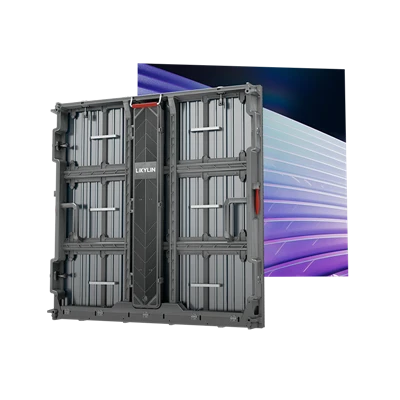
I’ve worked with malls to design everything from small 4-foot screens above store entrances to large 30-foot curved screens spanning multiple hallways, and every project is tailored to the mall’s specific needs—no one-size-fits-all solutions. If you’re ready to explore how transparent LED screens could work for your mall, reach out to discuss your space, goals, and budget.
Outdoor LED Display For further reading:
- LED Industry Association. (2022). Commercial Transparent LED Displays: Performance and Use Cases in Retail Environments.
- Retail Design Institute. (2023). Experiential Retail Tech: Balancing Engagement and Space in Modern Shopping Malls.
- National Retail Federation. (2021). In-Store Digital Displays: ROI and Customer Engagement Metrics for Mall Installations.
LiKYLIN (Chongqing) Intelligent Technology Co., Ltd.
As one of the most professional transparent led screen manufacturers and suppliers in China, we’re featured by quality products and low price. Please rest assured to wholesale advanced transparent led screen in stock here and get free sample from our factory. We also accept customized orders.
Address: Building 1, No.57, Jinfu Blvd, Gu’nan Street, Qijiang District, Chongqing, China
E-mail: marketing@likylin-led.com
WebSite: https://www.cqlikylinled.com/
