As a supplier of disposable sterile infusion sets, I’ve spent years working closely with healthcare facilities, home care providers, and even individual users who rely on these critical medical devices. One question that comes up more often than I’d expect is: “We bought a great batch of sets, but now half of them are unusable—what went wrong?” More often than not, the answer isn’t a manufacturing defect; it’s improper storage. It’s a mistake I’ve seen even seasoned clinical teams make, and it’s one that can lead to serious outcomes: contaminated sets, failed infusions, or even avoidable patient harm. That’s why I wanted to break down exactly how to store disposable sterile infusion sets correctly, from our perspective as someone who ships these products every single day. Disposable Sterile Infusion Set
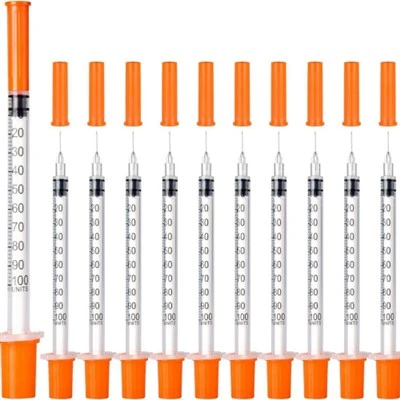
First, let’s start with the basics: what makes an infusion set sterile, and why storage matters. Disposable sterile infusion sets are packaged in hermetic, barrier-sealed materials to eliminate bacteria, fungi, and other pathogens at the time of manufacture. The sterility isn’t permanent on its own—it relies on that seal staying intact, and the packaging remaining free of damage, exposure, or environmental threats that can break down those sterile barriers. If that seal is compromised, the set loses its sterile status, and using it could lead to infections, especially for patients with weakened immune systems, like those undergoing chemotherapy, post-surgery, or living with diabetes. That’s why proper storage isn’t just a logistical step—it’s a patient safety measure.
Let’s get into the non-negotiable storage rules, starting with the environment. I’ve heard users keep infusion sets in everything from bathroom cabinets to garages, and both are problematic. Bathrooms have high humidity, even if you don’t shower right next to the cabinet. Steam, warm air, and moisture can seep through packaging seals over time, weakening the plastic or paper barriers and creating conditions where mold or bacteria can grow. Garages, on the other hand, have extreme temperature swings—too hot in summer, too cold in winter—and often exposure to dust, chemicals, or pests, all of which can damage packaging. The ideal storage environment is a cool, dry, dark space. We recommend a temperature between 15°C and 25°C (59°F and 77°F) and relative humidity below 60%. That’s the sweet spot that preserves the integrity of the packaging and the sterile barrier. Avoid areas near windows, heaters, air conditioners, or kitchen appliances that release steam or grease—kitchen cabinets, for example, are often too warm and have fluctuating humidity from cooking.
Next, packaging handling. Every single one of our infusion sets comes in individual, pouched packaging, and that packaging is designed to do a specific job: keep contaminants out. That means no sharp objects near the packs, no stacking heavy items on top of them, no tearing or puncturing the pouches unnecessarily. I’ve seen facilities store hundreds of sets in a bin where heavier boxes sit on top, and by the time they go to use them, some of the bottom pouches have small tears that aren’t obvious at first glance. Those tears are a direct path for contamination, so checking packaging for damage before storage is just as important as checking it before use. Also, don’t remove the sterile outer pouch until right before you’re ready to use the set. Even if you think the inner tray looks fine, leaving it exposed to dust, countertop surfaces, or accidental touches can introduce contaminants. It might seem like a small step, but I’ve talked to nurses who told me they remove the pouches to “save space” in a tray, and that’s a habit that can lead to preventable errors.
Then there’s rotation, or the “first in, first out” (FIFO) rule. This is a rule that’s standard in healthcare supply chains, but I still see it ignored in some home care settings. When we ship a batch of infusion sets, each has an expiration date printed clearly on the outer box and individual pouch. Expiration dates aren’t arbitrary—they’re based on shelf-life testing we conduct to confirm how long the sterile barrier remains intact under proper storage. If you have two batches: one arriving in January with an expiration of December 2025, and another arriving in March with an expiration of December 2025, you should use the January batch first. Storing newer batches in the front and older ones in the back means you don’t end up with expired sets sitting at the bottom of a drawer. I’ve had a client call last year panicking because they found 500 sets that were three months past their expiration date, all because they’d stacked newer deliveries on top and never touched the older ones. That’s a waste of resources, and more importantly, a risk to patients who might not check expiration dates carefully.
Another often-overlooked factor: cross-contamination from other items. Infusion sets are sterile, so they need to stay separated from non-sterile items. That means no storing them with cleaning supplies, bandages (unless they’re in their own sterile packaging), tools, or even personal items like makeup or skincare products. Chemicals, fragrances, or even small particles from other items can seep into the packaging over time, compromising the sterility. I recommend storing infusion sets in a dedicated, clean storage unit—like a sealed plastic bin with a tight lid, or a locked cabinet that’s only for sterile medical supplies. If you’re storing them at home, avoid keeping them in the same drawer as scissors, nail clippers, or other household items that might scratch the packaging. Even a tiny scratch in the pouch’s barrier can let in contaminants, especially over weeks or months of storage.
What about travel or temporary storage? A lot of our customers are home care patients who take infusion sets with them to appointments, or staff who bring extra sets to clinical events. We get a lot of questions about how to store them when you’re on the go. The key here is to avoid extreme temperatures during transit. If you’re traveling in a car in the summer, don’t leave infusion sets in the trunk or on the dashboard—temperatures inside a parked car can hit 60°C (140°F) in minutes, which breaks down the packaging seals and can even damage the components of the infusion set itself, like the tubing or the needle hub. In winter, don’t leave them in a cold car for hours, especially if temperatures drop below freezing consistently. A cool, insulated bag is perfect for short trips, just make sure it’s not in direct sunlight, and once you arrive, put the sets back in your regular cool, dry storage as soon as possible. For longer trips, maybe a week or more, it’s even more important to plan ahead: check the weather forecast for your destination, and if you’ll be in a hot, humid place, bring enough sets for the trip but don’t store them in your luggage for longer than necessary.
What are the signs that your infusion sets have been improperly stored and are no longer safe to use? It’s not always obvious, which is why regular checks are important. First, always inspect the packaging before opening it. If the pouch is torn, punctured, bulging, or has discoloration, that’s a red flag—don’t use it. Bulging pouches, in particular, can indicate that contaminants have entered and are growing inside, creating pressure that makes the pouch expand. Even if there’s no visible damage, if the set has been stored in an environment that’s too hot or humid for an extended period, the sterility might be compromised, even if the pouch looks intact. When in doubt, it’s better to discard the set than to risk using a non-sterile product. I tell all our customers: if you have any questions about whether a set is safe, reach out to your supplier, don’t take chances.
Now, let’s talk about common mistakes we see all the time, to give you a better idea of how these issues happen. Last month, a small clinic told us they’d stored a new batch of sets on the floor of a supply closet, and after a month, half the boxes had mold growing on the outside of the cardboard packaging. That’s a perfect example of high humidity and poor ventilation leading to contamination. Another customer, a home health nurse, told me she kept her extra sets in the backseat of her car for two weeks during a road trip, and when she opened a pouch at a patient’s home, the tubing was sticky and the seal had weakened. Those are avoidable mistakes that cost facilities and patients time and money, and they’re easy to fix with a little knowledge.
As a supplier, we don’t just ship products—we want our customers to use them safely and effectively. That’s why we include a storage guide with every shipment, but I know not everyone reads the fine print. Proper storage doesn’t have to be complicated, but it does need to be consistent. It boils down to four core principles: keep them cool, keep them dry, keep them undamaged, and use the oldest first. Follow those, and you’ll avoid most of the issues that come with improper storage.

If you’re a healthcare provider, home care organization, or facility manager looking to refine your storage processes, or if you have questions about the best way to organize your infusion set inventory, our team is here to help. We work with all types of facilities, from small home care agencies to large hospitals, and we can provide tailored guidance to make sure your supplies stay safe and ready for use. Don’t let improper storage put patients at risk—reach out to our team to discuss your needs, and we’ll work with you to find solutions that fit your operations.
Disposable Urine Bags References
- World Health Organization. (2016). Guidelines for the Preparation and Use of Sterile Medical Devices.
- United States Pharmacopeia (USP). (2023). General Chapter <1116> – Microbiological Evaluation of Medical Devices.
- International Organization for Standardization (ISO). (2019). ISO 11607-1: Packaging for Terminally Sterilized Medical Devices – Part 1: Requirements for Materials, Sterile Barrier Systems, and Packaging Systems.
- Centers for Disease Control and Prevention (CDC). (2022). Infection Control Guidelines for Home Healthcare Settings.
Shandong Zhushi Pharmaceutical Group Co., Ltd.
Shandong Zhushi Pharmaceutical Group Co., Ltd. is one of the most reliable disposable sterile infusion set manufacturers and suppliers in China, featured by quality products and good price. Welcome to wholesale CE approved disposable sterile infusion set made in China here from our factory. Contact us for customized service and pricelist.
Address: No 6th Food And Drug Industry Park Economic and Technological Development Zone, Shan County 274300 Heze, Shandong People’s Republic of China
E-mail: admin@cnzhushigroup.cn
WebSite: https://www.zhushimed.com/
