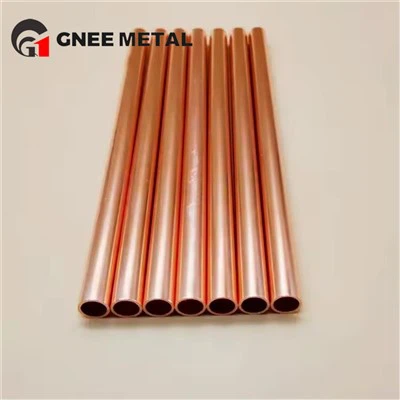
Copper wire is a versatile and widely used material in various industries, from electrical wiring to telecommunications and manufacturing. As a copper wire supplier, I’ve seen firsthand the importance of handling this material safely to avoid injuries. In this blog, I’ll share some essential tips on how to handle copper wire to ensure your safety and the safety of those around you. Copper Wire
Understanding the Risks
Before delving into the handling techniques, it’s crucial to understand the potential risks associated with copper wire. Copper wire can be sharp, especially when cut or frayed, and can cause cuts and puncture wounds. Additionally, if the wire is live, there’s a risk of electric shock. When working with large spools of copper wire, there’s also a risk of tripping or being pulled by the wire.
Personal Protective Equipment (PPE)
The first step in handling copper wire safely is to wear the appropriate personal protective equipment. This includes:
- Gloves: Wear cut-resistant gloves to protect your hands from cuts and abrasions. Choose gloves made from materials like Kevlar or leather, which offer good protection against sharp edges.
- Safety Glasses: Protect your eyes from flying debris, such as small pieces of wire that may break off during cutting or handling.
- Closed-toe Shoes: Wear sturdy, closed-toe shoes to protect your feet from falling wires or accidental impacts.
Handling Techniques
Cutting Copper Wire
When cutting copper wire, use the right tools. A good pair of wire cutters is essential. Make sure the cutters are sharp and in good condition. Dull cutters can cause the wire to fray or break unevenly, increasing the risk of injury.
- Positioning: Hold the wire firmly with one hand and use the cutters to make a clean cut. Keep your fingers away from the cutting edge.
- Clean Cuts: Ensure that the cut is clean and straight. A jagged cut can create sharp edges that are more likely to cause injuries.
- Disposal: After cutting, carefully dispose of the cut pieces of wire. Place them in a designated container to prevent them from being stepped on or causing other hazards.
Unspooling Copper Wire
Unspooling copper wire can be a tricky task, especially with large spools. Here are some tips to do it safely:
- Secure the Spool: Make sure the spool is securely mounted on a stable surface. This prevents the spool from rolling or tipping over, which could cause the wire to tangle or pull you off balance.
- Slow and Steady: Unspool the wire slowly and steadily. Avoid pulling the wire too quickly, as this can cause it to snap or create a hazard.
- Check for Tangles: As you unspool the wire, check for any tangles or knots. Untangle them carefully to prevent the wire from breaking or causing injuries.
Coiling Copper Wire
Coiling copper wire properly is important for storage and transportation. Here’s how to do it safely:
- Use a Coiling Tool: A coiling tool can make the process easier and more efficient. It helps to create neat, uniform coils.
- Start from the Center: Begin coiling the wire from the center of the spool. This helps to prevent the wire from tangling.
- Secure the Coil: Once the wire is coiled, secure it with a tie or tape to keep it in place.
Working with Live Copper Wire
If you’re working with live copper wire, the risks are much higher. Electric shock can be life-threatening, so it’s essential to take extra precautions.
- Turn Off the Power: Before working on any live electrical circuit, turn off the power at the source. This is the most important safety measure.
- Use Insulated Tools: Make sure all tools you use are insulated to prevent electric shock.
- Test the Circuit: Use a voltage tester to confirm that the circuit is indeed off before you start working.
Storage and Transportation
Proper storage and transportation of copper wire are also important for safety.
- Storage: Store copper wire in a dry, cool place. Avoid storing it in areas where it can be exposed to moisture or extreme temperatures, as this can damage the wire.
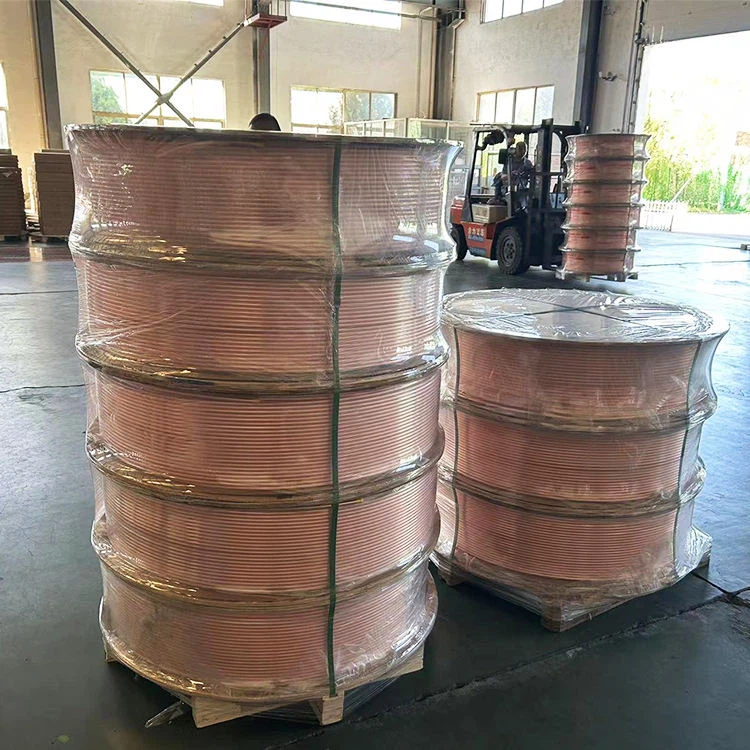
- Transportation: When transporting copper wire, make sure it is securely packed to prevent it from shifting or becoming damaged. Use appropriate containers or pallets to keep the wire organized and safe.
Training and Education
One of the best ways to ensure safe handling of copper wire is to provide training and education to your employees or anyone who will be working with the wire. This includes:
- Safety Training: Conduct regular safety training sessions to teach proper handling techniques and safety procedures.
- Emergency Response: Train employees on how to respond in case of an accident or injury. This includes knowing how to administer first aid and when to seek medical help.
Conclusion
Copper Handling copper wire safely is essential to prevent injuries and ensure the smooth operation of your business. By following the tips outlined in this blog, you can minimize the risks associated with working with copper wire. If you’re in need of high-quality copper wire for your projects, we’re here to help. Our team of experts can provide you with the right type of copper wire for your specific needs. Whether you’re in the electrical, telecommunications, or manufacturing industry, we have the solutions you’re looking for. Contact us to discuss your requirements and let’s start a conversation about how we can meet your copper wire needs.
References
- OSHA (Occupational Safety and Health Administration) guidelines on working with electrical wiring.
- Manufacturer’s instructions for handling and storing copper wire.
Gnee Steel (tianjin) Co., Ltd
As one of the leading copper wire manufacturers and suppliers in China, we warmly welcome you to buy discount copper wire for sale here from our factory. All our products are with high quality and competitive price. Contact us for more cheap products.
Address: No.4-1114, Beichen Building, Beicang Town, Beichen District, Tianjin, China
E-mail: sales@gneemetal.com
WebSite: https://www.chinacopperalloys.com/
