As a supplier of substation transformers, I’ve often been asked about the noise level of these critical pieces of equipment. In this blog, I’ll delve into what the noise level of a substation transformer is, what factors influence it, and how we as a supplier address these concerns. Substation Transformer
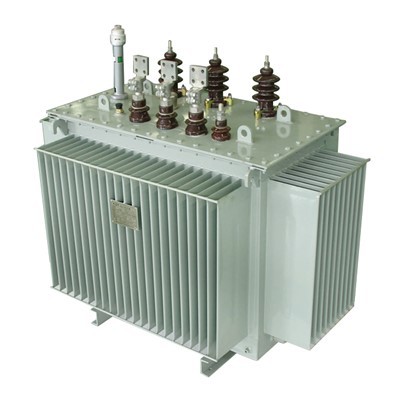
Understanding the Noise Level of Substation Transformers
The noise produced by a substation transformer is a complex phenomenon. It is typically measured in decibels (dB). The noise level can vary depending on the type, size, and operating conditions of the transformer. Generally, the noise level of a substation transformer can range from around 60 dB to 80 dB, which is comparable to the noise level of normal conversation (about 60 dB) to a vacuum cleaner (about 70 – 80 dB).
The main source of transformer noise is the magnetostriction effect. When an alternating current passes through the transformer’s core, the magnetic field causes the core laminations to expand and contract. This mechanical vibration generates sound waves, which we perceive as noise. Additionally, the cooling fans and oil pumps in the transformer can also contribute to the overall noise level.
Factors Influencing Transformer Noise
1. Transformer Design
The design of the transformer plays a crucial role in determining its noise level. For example, the type of core material used can have a significant impact. High – quality grain – oriented electrical steel is often used in modern transformers as it has lower magnetostriction characteristics, resulting in less noise. The core construction, such as the way the laminations are stacked, also affects noise. A well – designed core with tight stacking and proper insulation can reduce vibration and thus lower the noise level.
2. Load and Operating Conditions
The load on the transformer is another important factor. When a transformer is operating at a higher load, the magnetic flux density in the core increases. This can lead to more pronounced magnetostriction and, consequently, a higher noise level. Temperature also affects the noise. As the temperature rises, the mechanical properties of the core and other components change, which can either increase or decrease the noise depending on the specific design of the transformer.
3. Location and Installation
The location where the transformer is installed can affect the perceived noise level. If the transformer is installed in an enclosed space, the noise can be amplified due to reverberation. On the other hand, if it is installed in an open area with proper acoustic barriers, the noise can be effectively reduced. The installation method, including the mounting and alignment of the transformer, also matters. A poorly installed transformer may experience additional vibrations, leading to higher noise.
Our Approach as a Supplier
At our company, we understand the importance of keeping the noise level of our substation transformers within acceptable limits. We have a team of experienced engineers who are dedicated to optimizing the design of our transformers to minimize noise.
1. Research and Development
We invest heavily in research and development to find new materials and design techniques that can reduce the magnetostriction effect. For example, we are constantly exploring the use of advanced magnetic materials with lower magnetostriction coefficients. Our R & D team also conducts extensive simulations and tests to evaluate the noise performance of different transformer designs.
2. Quality Control
We have a strict quality control process in place to ensure that each transformer meets our high – standards for noise level. During the manufacturing process, we use precision equipment to measure the noise level at various stages. Any transformer that does not meet the specified noise criteria is either re – worked or rejected.
3. Customized Solutions
We understand that different customers have different requirements for transformer noise levels. Some customers may need transformers with extremely low noise for installation in residential areas, while others may be more concerned with cost – effectiveness. We offer customized solutions to meet these diverse needs. Our engineers work closely with customers to understand their specific requirements and design transformers that balance noise reduction with other factors such as cost and performance.
Importance of Low – Noise Transformers
The demand for low – noise transformers is increasing for several reasons.
1. Environmental and Community Impact
In residential and commercial areas, high – noise transformers can cause annoyance and even health problems for nearby residents. By providing low – noise transformers, we can help reduce the environmental impact and improve the quality of life in these areas. This is also important for meeting local environmental regulations, which often have strict limits on noise emissions.
2. Industrial Applications
In industrial settings, low – noise transformers are essential for maintaining a quiet working environment. Excessive noise can be a distraction for workers and may even lead to hearing loss over time. By using low – noise transformers, industries can improve the safety and productivity of their operations.
How to Choose the Right Transformer Based on Noise Level
When choosing a substation transformer, it is important to consider the noise level in addition to other factors such as capacity, efficiency, and cost.
1. Determine Your Requirements
First, you need to determine the acceptable noise level for your specific application. If the transformer is to be installed in a residential area, you may need a transformer with a noise level of less than 65 dB. For industrial applications, a slightly higher noise level may be acceptable.
2. Evaluate the Supplier
It is important to choose a reliable supplier who has a proven track record in producing low – noise transformers. Look for suppliers who have invested in research and development and have a strict quality control process. You can also ask for references and testimonials from other customers to evaluate the supplier’s performance.
3. Consider the Long – Term Costs
While low – noise transformers may be more expensive upfront, they can save you money in the long run. By reducing the noise level, you can avoid potential fines for violating environmental regulations and improve the overall efficiency of your operations.
Conclusion
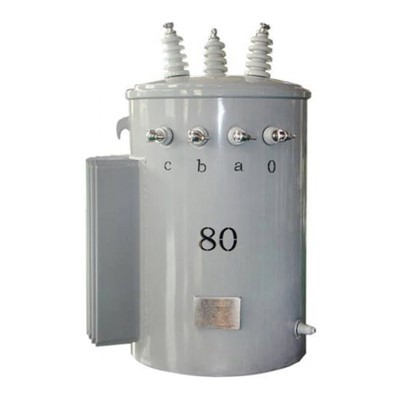
The noise level of a substation transformer is an important consideration for both suppliers and customers. As a supplier, we are committed to providing high – quality transformers with low noise levels. We use advanced design techniques, strict quality control, and customized solutions to meet the diverse needs of our customers.
Power Transformer If you are in the market for a substation transformer and are concerned about the noise level, we would be more than happy to discuss your requirements. Our team of experts can help you choose the right transformer for your specific application. Contact us to start a conversation about your procurement needs and let us work together to find the best solution for you.
References
- IEEE Standard for Acoustic Noise Levels of Power Transformers and Reactors
- CIGRE Technical Brochure on Transformer Noise Reduction
- International Electrotechnical Commission (IEC) standards related to transformer noise measurement and limits
Nantong Yawei New Energy Technology Co., Ltd.
As one of the most professional substation transformer manufacturers and suppliers in China, we’re featured by quality products and good service. Please rest assured to wholesale durable substation transformer made in China here from our factory. Customized orders are welcome.
Address: Room 28-101, Building 27 and 28, No.333 Kaiyuan Avenue, Sunzhuang Subdistrict, Hai’an City, Nantong City, Jiangsu Province, China
E-mail: admin@nantongyawei.com
WebSite: https://www.nantongyawei.com/
