If you’ve ever run a fiberglass tissue supply business—working directly with manufacturers of everything from custom boat hulls to automotive body panels, kitchen countertops, and architectural wall claddings—you know that most product specifiers start with a single question: “Will this material look good?” Function is non-negotiable: fiberglass tissue adds strength, dimensional stability, and impact resistance to composite parts, but for end products that consumers will see, touch, and judge, appearance isn’t just a nice add-on—it’s make-or-break. For 12 years, I’ve supplied fiberglass tissue to manufacturers across North America, and in that time I’ve learned that the link between our product and the final look of theirs isn’t just about the material itself—it’s about the little, intentional choices we (suppliers) make to tune our tissue for specific end uses. Today, I want to pull back the curtain on that connection, from the way we weave our tissue to how it interacts with resins and finishing processes, and why choosing the right fiberglass tissue isn’t just a technical call—it’s a design decision. Fiberglass Tissue
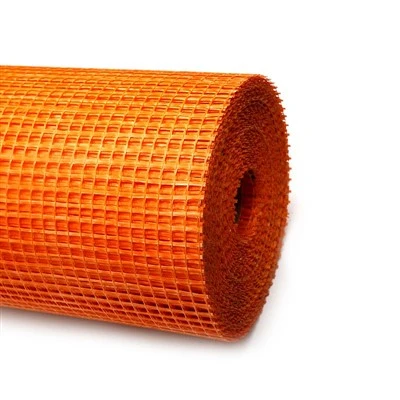
First, let’s ground this in what fiberglass tissue actually is, because the term is often used interchangeably with other fiberglass products, and that confusion leads to a lot of avoidable appearance issues. Unlike chopped strand mat (CSM), which is loose, random fiberglass fibers held together with a binder, fiberglass tissue is a thin, uniform woven or non-woven mat made from fine, continuous fiberglass filaments, usually 10 to 25 microns thick. That fineness is the first key to its appearance impact: thick, coarse fibers show through resin as visible streaks, dimples, or a rough “orange peel” texture, whereas tissue’s fine filaments lay flat against a mold surface, creating a smooth, consistent base. When I first started in this business, I sent a roll of standard-weight tissue to a small boat builder in Michigan who’d had bad luck with CSM leaving gel coat streaks on custom sailboat hulls. They called me a week later, frustrated, saying the tissue still left faint lines. Turns out, we’d used a binder that was too stiff for their resin system—so when the resin pulled through the tissue’s pores, the binder didn’t release evenly, leaving tiny, stiff fiber bundles that showed through the gel coat. That was a basic supplier mistake, but it taught me that every part of our tissue, from filament size to binder type, directly impacts how the final product looks.
Let’s break down the key appearance factors, starting with weight. Fiberglass tissue is sold in weights ranging from 0.2 ounces per square yard (osy) to 2 osy, and the right weight isn’t just about strength—it’s about opacity and smoothness. For a kitchen countertop manufacturer making solid-surface composite slabs, for example, a 0.4 osy tissue is ideal because it’s thin enough to lie perfectly flat against the mold (no wrinkles, no fiber clumps) but strong enough to prevent micro-cracks in the finished slab. I once worked with a countertop maker who tried to cut costs by switching to a lighter 0.2 osy tissue for their white quartz-like composite. The result? The black pigments they added to the resin showed through the thin tissue, creating uneven splotches across the slab—something they couldn’t fix with extra gel coat, because the thin tissue didn’t block the pigment light enough. They switched back to 0.4 osy tissue, and their defect rate for appearance dropped by 18% that quarter. On the flip side, a 2 osy tissue is too thick for small, detailed parts like automotive mirror housings, because its bulk creates a “halo” around edges and a bumpy texture that shows through the paint. We supply a lighter 0.6 osy woven tissue to mirror manufacturers, and their parts come out smooth enough to pass a 1,000-grit sanding and paint finish with zero visible fiber texture.
Next, weave type. Most people don’t realize that fiberglass tissue comes in two main weave styles—woven and non-woven—and each has a distinct effect on appearance. Woven tissue is made by interlacing warp and weft threads, like cloth, which gives it a consistent grid pattern. Non-woven tissue is made by pressing and bonding fiberglass filaments randomly, so it has no visible pattern. For end products where subtlety is key—like architectural window frames or high-end laptop cases—non-woven tissue is almost always preferred, because its random fiber distribution eliminates the grid lines that woven tissue can leave if not finished properly. I had a client who made custom architectural wall panels for a hotel lobby; they initially used woven tissue because it was cheaper, but when they installed the panels, the grid pattern showed through the matte finish paint under certain lighting, creating a “screen effect” that made the panels look dated. They switched to our non-woven tissue, which has a tighter, more uniform fiber distribution, and the grid lines disappeared. For products where a subtle pattern is intentional, though—like vintage-style boat hulls or rustic outdoor furniture—woven tissue can be a plus. The grid pattern is mild enough to add a touch of texture without being distracting, and many specifiers intentionally choose it for that look. It’s all about matching the weave to the desired final aesthetic.
Binder choice is the unsung hero of fiberglass tissue appearance, and it’s an area where suppliers can make or break a product’s look. Binders are the adhesive we use to hold the fiberglass filaments together during manufacturing, and they’re designed to dissolve or melt when exposed to resin. But if the binder isn’t matched to the resin type, it can leave residue, cause uneven fiber distribution, or leave a faint haze on the finished part. We use three main binder types in our products: styrene-based, epoxy-based, and polyester-based, each for different end uses. For example, epoxy-based binders work best with epoxy resins, which are common in aerospace and high-performance automotive parts. If you use a styrene-based binder (designed for polyester resins) with epoxy, the binder doesn’t dissolve properly, leaving tiny, sticky fiber clumps that show through the clear coat. A few years ago, we supplied a race car parts maker with a batch of tissue using the wrong binder for their epoxy resin; when they finished the parts, the clumps were so visible that they had to sand and re-paint every part, costing them $12,000 in rework. We fixed the issue by switching to our epoxy-specific binder, and they’ve been a repeat customer ever since. Even for clear finishes, which are extra sensitive to haze, we add a special low-ash binder that doesn’t leave residue when it’s cured. A custom shower door manufacturer once told us that switching to our low-ash binder made their clear composite shower doors pass 100% of their quality checks, whereas before they were throwing away 20% for haze. That’s the kind of impact binder choice has, and it’s why we don’t sell a “one-size-fits-all” tissue—we test every batch to make sure the binder works with the resins our customers use.
Mold interaction is another factor that’s often overlooked, but it’s critical for appearance, especially for parts with smooth, glossy surfaces. Fiberglass tissue is applied directly to the mold surface before resin is added, and any imperfections in the tissue will transfer straight to the final part. For example, if a roll of tissue has wrinkles or folds from manufacturing, those wrinkles will show through the gel coat as permanent lines. That’s why we process our tissue with a tension control system during production, to keep it flat and wrinkle-free—something that separates our product from cheaper, bulk tissue suppliers who cut corners on tension control. We also offer a range of surface treatments for our tissue, like a silicone coating or a release agent pre-applied, which makes it easier for customers to pull the tissue tight against the mold without it shifting. For parts with intricate details, like decorative architectural medallions, a tissue that lays flat against sharp edges is key. A client in Florida who makes these medallions told us that before they started using our pre-treated tissue, they’d have to trim and reapply tissue at least three times per part to avoid gaps along the edges; now, they only have to do it once, and the edges are crisp, with no gaps showing through the paint. That attention to how the tissue interacts with the mold is part of what we do as a supplier, and it directly reduces appearance defects for our customers.
Resin and finishing compatibility is the final link in the chain, because even the best tissue won’t look good if it’s paired with the wrong resin or finishing process. Let’s be clear: fiberglass tissue is a reinforcement material, not a finish, so its appearance is dependent on how it works with the rest of the composite system. For example, if a customer is using a pigmented resin, a more opaque tissue (like a 1 osy tissue) will hide any uneven pigment distribution, while a lighter tissue will let those inconsistencies show. If they’re using a clear resin, they need a tissue with the highest possible purity—our tissue is made with 99.9% virgin fiberglass, with no added fillers that can cause haze. A marine electronics manufacturer uses our clear fiberglass tissue to make covers for sonar displays; the tissue’s purity means the resin stays clear, so the display is fully visible, without any fiberglass haze. They tested three other tissue suppliers, all of which left a faint yellow tint in the clear covers, so they’ve been using our product exclusively for five years. Finishing processes also matter: if a part is going to be painted, the tissue needs to be porous enough to let the resin soak through evenly, so the paint adheres smoothly without peeling. We design our tissue’s pore size for specific finishes—smaller pores for clear coats, slightly larger pores for paint—so our customers don’t have to adjust their finishing processes to compensate for a bad tissue.
Now, let’s talk about why this matters beyond just defect rates. For consumers, product appearance drives purchasing decisions. A sleek, smooth automotive body panel will sell better than one with visible fiber texture; a beautiful, uniform kitchen countertop will be chosen over one with splotchy pigment; a clear sonar cover will be preferred over a hazy one that obscures the display. As a fiberglass tissue supplier, our job isn’t just to sell a material—it’s to help our customers make products that look good enough for people to buy. I’ve seen small manufacturers grow their businesses because they switched to the right fiberglass tissue: a custom boat builder whose defect rate dropped, leading to more referrals; a countertop maker who increased their premium product line because their slabs had a more consistent look; an automotive parts supplier who won a contract with a major brand because their parts had zero appearance defects. That’s the real impact of fiberglass tissue on product appearance—it’s a quiet, behind-the-scenes material that can make or break a product’s reputation.
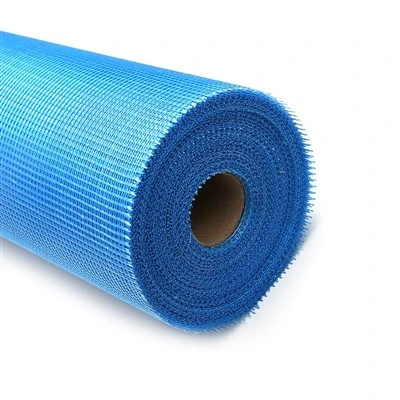
I don’t claim to have all the answers, but after 12 years in this business, I’ve learned that every choice we make as a supplier—from filament size to binder type to tension control—adds up to a product that helps our customers look their best. If you’re a manufacturer who’s been struggling with fiberglass-related appearance issues: streaks, haze, grid lines, texture, high defect rates—let’s talk. I don’t sell a generic tissue, and I don’t push products that aren’t right for your specific use. We test our materials, tailor them to your resin and mold processes, and work with you to solve appearance problems before they become costly defects. Whether you’re making boat hulls, countertops, automotive parts, or architectural elements, we can help you pick the right fiberglass tissue to get the look you want. Reach out to discuss your project needs.
Fiberglass Tape References
- Composite Fabric Association. (2021). Fiberglass Tissue: Properties and End-Use Applications.
- American Society for Testing and Materials (ASTM). (2019). Standard Test Methods for Appearance of Fiberglass-Reinforced Polymer Composites.
- Marine Manufacturers Association. (2020). Best Practices for Fiberglass Reinforcement Selection in Marine Products.
- Society of Plastics Engineers (SPE). (2022). Binder Compatibility in Fiberglass Composites for High-Appearance Applications.
Danyang Yonggu Building Materials Co., Ltd.
Danyang Yonggu Building Materials Co., Ltd. is one of the most professional fiberglass tissue manufacturers and suppliers in China, featured by quality products and good price. Please rest assured to wholesale customized fiberglass tissue made in China here from our factory.
Address: Danyang City, Jiangsu Province, P.R. China
E-mail: sales02@cnyongu.com
WebSite: https://www.ygfiberglass.com/
