As a supplier specializing in container fuel stations, I get this question at least a few times a week—usually from fleet managers worried about coastal operations, construction sites in rainy regions, or anyone who’s dealt with a standard fuel tank leaking after a heavy storm. The short answer? Yes, good container fuel stations are waterproof—but there’s a lot more nuance to it than just slapping a waterproof label on a metal box. Let me break this down from the perspective of someone who’s spent years building, installing, and maintaining these units, because I’ve seen both the good waterproof designs and the ones that fail. Container Fuel Station
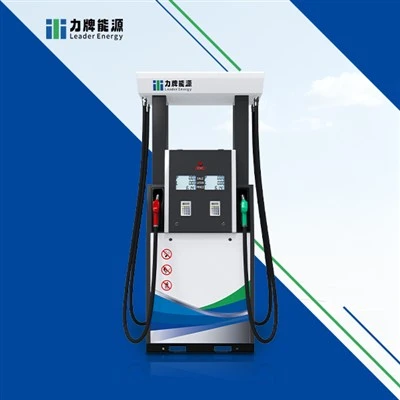
First, let’s clarify what a container fuel station actually is. Unlike a traditional above-ground tank that you have to build a separate containment area around, these are pre-fabricated, self-contained units that hold diesel, gasoline, or even jet fuel, and can be transported via truck, ship, or rail. The core structure is usually steel, which is strong, but steel rusts if not properly treated—and rust is the #1 enemy of waterproofing. That’s why we start with corrosion resistance before even talking about waterproofing.
Most reputable container fuel stations use double-walled steel construction, which is non-negotiable for waterproofing and safety. The inner wall holds the fuel, the outer wall creates a secondary containment area that catches any leaks from the inner wall. Between the two walls, there’s a monitoring system—usually a sensor that alerts you if even a tiny amount of fuel seeps out. Now, to make this system waterproof, every seam, every joint, every opening has to be sealed correctly. This isn’t just painting the outside; it’s a multi-step process that happens in the factory before the unit ever leaves the production floor.
Let’s walk through the manufacturing process for waterproofing. First, we treat the steel with a hot-dip galvanization, which coats the metal with zinc to prevent rust. Then, we apply a layer of epoxy coating to both the inner and outer walls—epoxy is great because it’s tough, resists chemicals (like fuel), and has excellent waterproof properties. But epoxy alone isn’t enough. Every time we weld two pieces of steel together, the weld area has to be ground smooth, then coated with a specialized sealant that’s designed to stick to metal and seal out water. For the roof of the container fuel station, which is a common point of water intrusion, we use a rolled membrane made of EPDM rubber—the same stuff used on high-quality roof membranes for buildings. This membrane is heat-welded to the steel roof, so there are no gaps where water can seep in, even during a Category 1 hurricane.
Wait, but what about around the access points? The fuel dispenser, the fill pipe, the vent—these are all openings in the unit, and they’re the most likely spots for water to get in. That’s why we use flange seals and gaskets made of nitrile rubber, which is resistant to both water and fuel. The fill pipe, for example, has a locking cap that creates a tight seal when closed, and the vent is fitted with a flame arrester that also acts as a water baffle—so air can flow in and out to equalize pressure when fuel is dispensed, but water can’t get past that baffle. I’ve seen some cheap competitors skip the water baffle, and within a year, their units had water in the fuel because rain poured through the vent. That’s a mistake we never make.
Now, waterproofing isn’t just about the external structure. You also have to protect the internal components—like the fuel pump, the hoses, and the wiring. Most modern container fuel stations have a heated internal panel that keeps electronics dry, but even that relies on the outer structure being fully waterproof. For outdoor installations, which is where most of these units are used, we also install a sump pump in the secondary containment area—just in case any water does get past the outer wall. The sump pump will drain any water to a safe area, and the system alerts the operator if the sump is working, so you can address the issue before it causes damage.
But here’s the thing: a container fuel station can be waterproof in the factory, but it can lose that waterproofing if it’s not installed or maintained correctly. I’ve had a customer call me last year saying their unit was leaking, and when we came to check, we found that a worker had drilled a hole in the outer wall to run a cable, then just stuffed the hole with silicone. Silicone isn’t a good long-term seal for steel, especially when it’s exposed to temperature changes. Proper installation means using corrosion-resistant bolts and sealing any penetrations with a specialized polyurethane sealant that’s designed to expand and contract with the metal. That’s why we always recommend that our clients use our certified installers, who know exactly how to maintain the waterproof integrity of the unit.
Another common question: what about saltwater environments? If you’re using a container fuel station near the ocean, saltwater is even more corrosive than regular rain, so waterproofing has to be extra robust. We offer a marine-grade version of our units, which uses a higher thickness of steel, a thicker epoxy coating, and even a layer of zinc-rich primer before the galvanization. I installed one of these for a fishing fleet in Florida, and two years later, when they moved it to a new pier, there wasn’t a single rust spot or sign of water intrusion. That’s the kind of reliability we build into every unit.
But let’s be honest—no system is 100% waterproof forever. Water can get in if there’s damage from a collision, if a seal degrades over time, or if a maintenance worker cuts a corner. That’s why regular inspections are crucial. We tell our clients to check the secondary containment area every quarter, look for any signs of water, and test the monitoring sensors monthly. If you catch a small leak early, you can fix it easily before it turns into a big problem. We also offer a waterproofing retreatment service every 5 years, where we re-seal all the joints and reapply a top coat of epoxy to keep the unit protected.
I’ve seen what happens when a fuel station isn’t waterproof. A construction company in Texas had a standard above-ground tank that they built a containment area for, but the area wasn’t properly graded, so after a heavy rain, water pooled around the tank and seeped into the base. The rust ate through the tank, and they lost 10,000 gallons of diesel—plus, they had to pay to clean up the environmental mess. A container fuel station would have prevented that, because the secondary containment would have caught any leaks, and the proper waterproofing would have kept water from causing rust in the first place.
For anyone who’s on the fence about whether a container fuel station is waterproof, the bottom line is: it depends on the build quality. Cheap, off-the-shelf units that use thin steel, skip the double walls, and use generic sealants won’t hold up in heavy rain or saltwater. But a high-quality, purpose-built container fuel station from a reputable supplier is designed to be fully waterproof, with multiple layers of protection against water intrusion. At the end of the day, waterproofing isn’t just a feature—it’s a safety feature. If water gets into your fuel, you can damage your equipment, cause a spill, or even have a fire. That’s why we never cut corners on that part of the process.

If you’re in the market for a container fuel station and want to make sure it’s properly waterproofed for your specific application—whether that’s a remote construction site, a fleet yard in a rainy climate, or a coastal operation—reach out to us. We can walk you through our design process, show you test results of our waterproofing systems, and help you choose the right unit for your needs. Don’t risk dealing with water damage or fuel contamination—get a unit that’s built to last, and that you can count on even in the wettest conditions.
Underground Pipeline References
- National Fire Protection Association. (2020). Standard for Aboveground Petroleum Storage Systems (NFPA 30). Quincy, MA: National Fire Protection Association.
- American Petroleum Institute. (2018). Specification for Single and Double-Walled Aboveground Tanks (API 650). Washington, D.C.: American Petroleum Institute.
- Steel Tank Institute. (2021). Waterproofing and Corrosion Protection for Aboveground Storage Tanks. Chicago, IL: Steel Tank Institute.
- International Organization for Standardization. (2019). Storage Tanks for Petroleum and Related Products—Design, Construction, and Maintenance (ISO 14614). Geneva, Switzerland: International Organization for Standardization.
Leader Energy Technology (Zhengzhou) Co., Ltd.
As one of the most professional container fuel station manufacturers and suppliers in China, we’re featured by quality products and good price. We warmly welcome you to buy durable container fuel station for sale here from our factory. If you have any enquiry about customized service and OEM service, please feel free to email us.
Address: No.65, Dongqing Street, Zhengzhou Hi-tech Zone, Henan, China
E-mail: info@leaderdispenser.com
WebSite: https://www.leader-petrol.com/
