Hey guys, let’s cut to the chase (pun totally intended) – if you’re an architect, contractor, or even a facilities manager working on a commercial or residential building project, you’ve probably stumbled on this question at some point: can you actually cut bulletproof glass for construction jobs? I get it, because as someone who’s been in the architectural bulletproof glass game for over 10 years, I’ve fielded this exact query from every kind of client. Most people think bulletproof glass is this solid, unbreakable slab that’s basically impossible to work with, and while there’s a grain of truth to that, it’s not a hard no. Let’s break this down like we’re talking through a site walkthrough, no stuffy engineering jargon that makes your eyes glaze over. Bulletproof Glass for Architecture
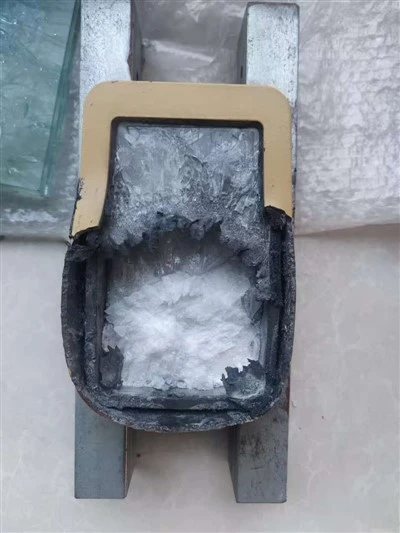
First off, let’s get one thing straight: bulletproof glass (more accurately called ballistic glass, by the way, since it stops bullets not just random flying objects) isn’t a single material. It’s a laminate stack, usually made of multiple layers of tempered glass and polycarbonate (that plastic stuff you see in riot shields) bonded together with a tough, clear interlayer – think of it like a fancy sandwich where each layer has a job. The outer glass layers are hard to crack on impact, the polycarbonate absorbs the bullet’s energy, and the interlayer keeps everything stuck together even if it gets hit. That structure is why it’s not like cutting a regular window pane, which you can score with a glass cutter and snap in two. Regular glass is uniform; ballistic glass is a multi-material hybrid, so you can’t treat it the same way.
Now, to answer the main question: yes, you can cut ballistic glass for building projects – but only if you do it right, and not every shop can handle it. I’ve seen too many contractors try to save a buck by grabbing a regular glass cutter, scoring a panel in their workshop, and ending up with a mess that’s useless (and sometimes dangerous) on-site. Let me walk you through what actually works, because that’s the stuff you need for a project.
The go-to method for cutting architectural ballistic glass is waterjet cutting. If you’ve never seen it, it’s this super precise tool that uses a super high-pressure stream of water mixed with tiny abrasive particles (like garnet) to slice through almost anything – metal, stone, even ballistic glass. Why does this work way better than a regular glass cutter? Because it doesn’t create those sharp, stress points that make tempered glass (which is usually part of ballistic stacks) shatter. Wait, hold on – some ballistic glass is tempered, right? Yeah, the outer layers often are, and if you try to score and snap them, that’s exactly what’ll happen: the whole panel will spiderweb and break into a million pieces before you even get a clean cut. Waterjet avoids that because it’s cutting through material with a soft (well, high-pressure soft) stream, no scoring or forced bending.
But waterjet isn’t the only trick. For smaller, simpler cuts – like notches around doorknobs or slots for hardware – some shops use laser cutting? No, wait, laser doesn’t work great for the polycarbonate layer, it melts it and leaves a messy edge. Oh right, so for those small custom cuts, we use a diamond saw, but it’s a specialized diamond saw that’s designed for laminates, not regular glass. The key here is going slow, using coolant to keep the material from overheating (polycarbonate melts if it gets too hot fast), and making multiple shallow cuts instead of trying to slice all the way through in one pass. I always tell new clients: if you want a clean, functional cut for a lock or handle, don’t rush it. We once had a guy try to cut a 2-inch notch for a panic bar on a ballistic panel in his garage, and he burned right through the polycarbonate layer, leaving a sticky, gummy mess that the inspector flagged immediately. Cost him a whole new panel and a delay on the project – not worth saving an hour of labor, trust me.
Now, why would you need to cut ballistic glass for a building project anyway? It’s not just for banks or government buildings, like most people think. These days, we supply stuff for luxury high-rises with private lobbies, boutique retail stores in high-crime areas, even private residences where the homeowner wants a safe room or a ground-floor window that’s hard to breach. Typical cuts we do are notches for hinges, slots for hardware, trimming panels to fit custom window openings, or even cutting holes for vents or security cameras. And every time we do a cut, we have to make sure we don’t mess up the ballistic rating. That’s a big one – the last thing you want is a cut panel that stops a .9mm bullet but fails a .45 because you damaged the inner layers.
Wait, speaking of ballistic ratings, let’s get into the science of why cutting this stuff is tricky. When you cut ballistic glass, you’re disrupting the stress balance of the layers, right? The interlayer is designed to hold the glass together when a bullet hits, but if you make a cut that goes all the way through every layer, that edge is a weak point. So we always have to leave a tiny buffer around the cut edge, or if we’re cutting all the way through, we finish the edge with a polish to seal the laminate. Polishing is important because it prevents moisture from getting in between the layers, which would degrade the interlayer over time and make the glass way less effective. I had a client in Miami a few years ago who skipped polishing the cut edges on a set of lobby panels, and within a year, mold grew in the gap, making the glass cloudy and dropping its ballistic rating. That was a $15k fix – never again will I let a client cut corners on edge work.
Another myth I hear all the time: if you cut ballistic glass, it stops being “bulletproof” anymore. That’s not true, as long as you do it correctly. Our team tests every cut panel we send out – we shoot a sample from the exact weapon the client specified (9mm, .44 magnum, whatever) to make sure the rating is still intact. We once did a project for a chain of jewelry stores, and they needed 50 custom panels cut to fit their display cases. Everyone thought we were crazy for cutting ballistic glass to fit a store display, but we tested each batch, and they passed with flying colors. The store manager told us later that the panels stood up to a couple of smash-and-grab attempts – way better than the regular glass they used before.
Now, let’s talk about what not to do. I mentioned regular glass cutters earlier – that’s a no-go. Same with tile saws, circular saws, any tool that puts too much pressure or heat on the material. We had a contractor a while back who tried to use a skill saw with a diamond blade to cut a large ballistic panel, and the vibration from the saw made the inner layers separate, creating gaps that would have let a bullet go right through. He ended up having to replace all 12 panels, and the client had to push their opening date back two weeks. That’s the kind of mistake that makes people swear off cutting ballistic glass entirely, but it’s just bad technique, not the material itself.
So, what do you need to plan for when you’re ordering cut ballistic glass for your project? First, find a supplier that specializes in architectural ballistic glass, not just a regular glass shop. Regular shops might not have the right tools (waterjet cutters, diamond polishing equipment) or the testing facilities to make sure cuts don’t ruin the rating. Second, communicate exactly what kind of cuts you need, and provide all the hardware specs – if you’re putting in a door handle, give us the exact diameter of the knob, how deep the lock is, so we can make the notch the right size. Third, factor in lead time. Cutting ballistic glass isn’t like cutting a regular window – it takes time to set up the waterjet, test the cuts, polish the edges, and inspect every panel. Most projects should add 3-5 days to their timeline for custom cuts, and more for large or complex jobs.
Wait, let’s get real for a second. I know some of you are thinking, “Why not just order ballistic glass pre-cut to the exact size I need? Why mess with cutting it at all?” Fair question. Pre-cut panels are great if you have a standard window opening, but custom cuts are non-negotiable for most building projects. Every structure is different – your window frames might have a weird notch for a fire escape, your doors need custom hinge placements, your display cases need slots for power cords. You can’t get pre-cut panels for that. So being able to cut ballistic glass correctly is a game-changer for architects and contractors who want to meet design requirements without sacrificing security.
I want to address another thing that comes up a lot: cost. Custom cut ballistic glass isn’t cheap, but it’s way cheaper than replacing a whole panel if you mess up the cut, or worse, dealing with a security breach because a panel failed its rating. I’ve seen clients save $500 by trying to cut their own panels, only to spend $5,000 on a new one and a delayed project. It’s not worth it. The right supplier will give you a quote that includes testing and edge polishing, so you know exactly what you’re paying for, no hidden fees.
Let’s wrap this up, because I know you’re probably swamped with project deadlines. The short answer to “can you cut bulletproof glass for building projects?” is: yes, but only with specialized tools, trained technicians, and strict testing to make sure you don’t mess up the ballistic rating. It’s not a DIY job – don’t try that at home, trust me. But it is totally doable, and it’s a standard part of modern architectural security design now. Whether you’re building a high-rise, a boutique store, a private safe room, or a residential lobby, custom cut ballistic glass is a viable, necessary option that doesn’t have to be a headache if you work with the right team.

If you’re working on a project and need custom ballistic glass cuts, or you have questions about ratings, sizes, or timelines, hit me up. I’m always down to walk through the options, no pressure. No stuffy sales pitches, just real talk about what works for your build.
Bulletproof Glass for NIJ Standard References:
- National Institute of Justice. (2021). Ballistic Resistance of Body Armor and Architectural Ballistic Materials. U.S. Department of Justice.
- American Architectural Manufacturers Association. (2020). Standard Practice for Fabricating and Testing Architectural Ballistic Glazing. AAMA 2705-20.
- Glass Magazine. (2022). Advances in Cutting and Processing of Laminated Architectural Ballistic Glass. Glass Industry Publication.
- International Code Council. (2021). IBC Section 810: Security Glazing Requirements for Buildings. International Code Council.
Shaoxing Transparent Armoring Materials Co., Ltd.
Address: No.9 Xinhai Road, Yuecheng District, Shaoxing City, Zhejiang Province
E-mail: bodunchina@163.com
WebSite: https://www.king-armor.com/
