As a seasoned supplier in the zinc die casting industry, I’ve encountered a wide array of challenges when it comes to troubleshooting die casting machines. In this blog, I’ll share my insights and practical tips on how to effectively troubleshoot these machines, ensuring smooth operations and high – quality zinc die cast products. Zinc Die Casting
Understanding the Basics of Zinc Die Casting Machines
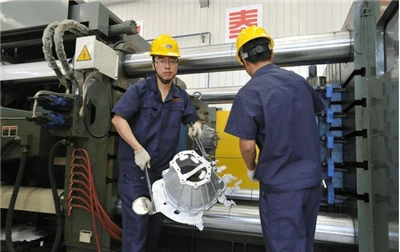
Before delving into troubleshooting, it’s essential to have a basic understanding of how zinc die casting machines work. These machines operate by injecting molten zinc into a die cavity under high pressure. The process involves several key components, including the injection system, the clamping unit, the die, and the control system.
The injection system is responsible for melting the zinc and injecting it into the die. It consists of a furnace, a plunger, and a shot sleeve. The clamping unit holds the die in place during the injection process and applies the necessary force to keep the die closed. The die is the mold that gives the cast part its shape, and the control system manages the entire operation, regulating parameters such as temperature, pressure, and cycle time.
Common Problems and Their Solutions
1. Incomplete Filling of the Die
One of the most common issues in zinc die casting is the incomplete filling of the die. This can result in parts with missing sections or thin areas.
Possible Causes
- Insufficient injection pressure: If the pressure is too low, the molten zinc may not reach all parts of the die cavity.
- Low molten zinc temperature: Cold zinc has higher viscosity, making it difficult to flow into the die.
- Blocked gates or runners: Obstructions in the gates or runners can prevent the zinc from flowing freely.
Solutions
- Increase the injection pressure: Check the machine’s settings and gradually increase the pressure until the die is fully filled.
- Raise the molten zinc temperature: Ensure that the furnace is set to the appropriate temperature for zinc die casting, typically around 400 – 450°C.
- Clean the gates and runners: Use appropriate tools to remove any debris or solidified zinc from the gates and runners.
2. Porosity in the Cast Parts
Porosity refers to the presence of small holes or voids in the cast parts. This can weaken the parts and affect their appearance.
Possible Causes
- Gas entrapment: Air or other gases can get trapped in the molten zinc during the injection process.
- Shrinkage during solidification: As the zinc cools and solidifies, it can shrink, creating voids.
- Improper venting: Inadequate venting in the die can prevent gases from escaping.
Solutions
- Improve the injection speed: A faster injection speed can reduce the chances of gas entrapment.
- Use a vacuum system: A vacuum can be applied to the die cavity to remove gases before the injection.
- Optimize the die design: Ensure that the die has proper venting channels to allow gases to escape.
3. Flash on the Cast Parts
Flash is the excess zinc that forms around the edges of the cast parts. It can be difficult to remove and can affect the quality of the parts.
Possible Causes
- Insufficient clamping force: If the clamping unit does not apply enough force, the die may not be fully closed, allowing zinc to escape.
- Worn or damaged die: A worn or damaged die can have gaps that allow zinc to seep out.
- Excessive injection pressure: Too much pressure can force the zinc out of the die.
Solutions
- Increase the clamping force: Adjust the clamping unit to apply the appropriate force.
- Repair or replace the die: If the die is worn or damaged, it should be repaired or replaced.
- Reduce the injection pressure: Lower the pressure to prevent excessive zinc from escaping.
4. Surface Defects on the Cast Parts
Surface defects such as cracks, pits, or rough spots can affect the appearance and functionality of the cast parts.
Possible Causes
- Poor die surface finish: A rough or damaged die surface can transfer its imperfections to the cast parts.
- Contaminated molten zinc: Impurities in the zinc can cause surface defects.
- Incorrect ejection system: If the ejection pins are not properly positioned or functioning, they can cause damage to the part surface.
Solutions
- Polish the die surface: Use appropriate polishing techniques to improve the die surface finish.
- Purify the molten zinc: Ensure that the zinc is free from contaminants by using proper melting and filtration processes.
- Check and adjust the ejection system: Make sure that the ejection pins are correctly positioned and functioning smoothly.
Maintenance and Preventive Measures
Regular maintenance is crucial for preventing problems in zinc die casting machines. Here are some maintenance tips:
- Clean the Machine Regularly: Remove any zinc residue, dirt, or debris from the machine components, including the injection system, the clamping unit, and the die.
- Lubricate Moving Parts: Apply lubricant to the moving parts of the machine, such as the plunger, the clamping mechanism, and the ejection pins, to reduce friction and wear.
- Inspect the Die Regularly: Check the die for signs of wear, damage, or cracks. Repair or replace the die as needed.
- Calibrate the Control System: Ensure that the control system is accurately calibrated to maintain the correct temperature, pressure, and cycle time.
Importance of Operator Training
Well – trained operators are essential for the smooth operation of zinc die casting machines. Operators should be familiar with the machine’s operation, safety procedures, and troubleshooting techniques.
- Provide Comprehensive Training: Offer training programs that cover all aspects of zinc die casting, including machine operation, die handling, and quality control.
- Encourage Continuous Learning: Keep operators updated on the latest industry trends and technologies through workshops, seminars, and online resources.
- Promote Safety Awareness: Emphasize the importance of safety in the workplace and ensure that operators follow all safety protocols.
Conclusion
Troubleshooting zinc die casting machines requires a combination of knowledge, experience, and attention to detail. By understanding the common problems, their causes, and the appropriate solutions, as well as implementing regular maintenance and operator training, you can minimize downtime and produce high – quality zinc die cast products.
5 Axis CNC Machining If you’re in the market for zinc die casting products or have any questions about our services, we’d love to hear from you. Reach out to us to discuss your specific requirements and explore how we can meet your needs. We’re committed to providing you with the best possible solutions and ensuring your satisfaction.
References
- "Die Casting Handbook" by J. Campbell
- "Zinc Die Casting Technology" by S. Smith
- Industry reports on zinc die casting from leading research firms.
Shenzhen Shunhaoda Technology Co., Ltd.
With abundant experience, we are one of the most professional zinc die casting manufacturers and suppliers in China. If you’re going to buy bulk high quality zinc die casting made in China, welcome to get free sample from our factory. Also, custom service is available.
Address: 902, Building A3, Tianrui Industrial Park, No. 35 Fuyuan 1st Road, Zhancheng Community, Fuhai Street, Bao’an District, Shenzhen
E-mail: sales@shdindustry.com
WebSite: https://www.shd-industry.com/
