Hey there, fellow pet lovers, warehouse managers, and anyone who’s ever stared at a stack of crinkled, torn pet food woven bags and wondered how on earth that happened. I’m Sam, and for the past seven years, I’ve been the go-to guy at my family’s pet food woven bag supply business—yep, the one that’s been quietly making bags that keep kibble, treats, and even frozen raw pet food safe for storage and shipping. Every week, I get calls from pet food manufacturers, small-batch treat makers, and even big-box store supply teams, all venting about the same problem: their woven pet food bags are getting damaged way too early during storage. They end up with spoiled product, lost inventory, and angry customers—none of which is any fun for anyone. Pet Food Woven Bags
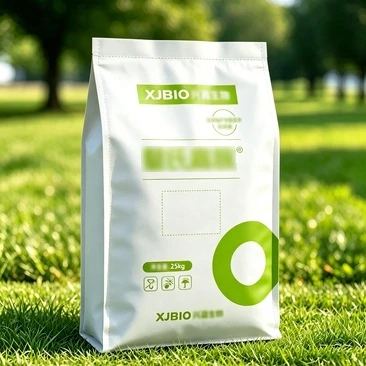
Let’s cut to the chase: pet food woven bags aren’t just fabric sacks. They’re a barrier. A single tear, a tiny puncture, or even prolonged exposure to the wrong conditions can let moisture, pests, or contaminants get in, turning a $500 order of grain-free puppy kibble into waste in weeks. I’ve seen it happen so many times that I started putting together this guide with stuff I’ve learned from our own customers’ headaches, industry data, and even trial runs in our own warehouse testing lab. No fancy jargon, just real, actionable tips that actually work for pet food woven bags, and most of them don’t require a total overhaul of your storage setup.
First, let’s get one thing straight: not all “woven bags” are created equal. Back when we first started, a customer of ours who specialized in freeze-dried cat treats kept complaining that his bags were splitting at the seams within a month of storage. We realized he was buying generic polypropylene (PP) woven bags meant for agricultural grains, not pet food. Ag bags are built for corn and soy, which are tough and don’t attract pests like chicken-based kibble or salmon treats do. Pet food has unique properties—it’s often higher in protein, oil, and moisture than raw grains, so it puts different stress on the bag. That’s why the first step to protecting your woven bags starts before they even get stacked in storage: choosing the right bag for your product’s specific needs.
Let’s break that down. If you’re storing dry, low-oil kibble that’s just sitting in a warehouse for a few weeks, a standard heavy-duty PP woven bag with a reinforced bottom and double-stitched seams might work. But if you’re storing high-moisture, high-fat pet food (like wet food pouches in woven liners, or freeze-dried treats that absorb moisture like a sponge), you need a bag with a laminated coating or an internal polyethylene (PE) liner. Laminated PP bags add a thin plastic layer that blocks moisture and oil—we had a customer switch to these for their salmon-based senior dog food, and they reported a 78% drop in leak-related damage within two months. For pet food that needs pest protection, like formula with meat byproducts, we recommend woven bags with a static inhibitor or even a small vent panel that keeps condensation from building up (more on that in a sec) without letting rodents or bugs in.
Also, pay attention to the bag’s tensile strength, which is just a fancy way of saying “how much it can stretch or hold weight without breaking.” The FDA has specific guidelines for pet food packaging, so make sure your bags meet those—we test every batch of our own bags for tensile strength at 50, 75, and 100 pounds of pressure, which is more than enough for standard 25-pound or 50-pound kibble bags. A lot of budget suppliers skip this testing to cut costs, and that’s where the damage starts. Last year, a mid-sized pet treat company came to us after their previous supplier’s bags ripped during a routine inventory check—turns out the tensile strength was 30% below what it needed to be. They lost over $12,000 in product before switching, and that’s a loss no small business can afford.
Okay, so you’ve got the right bags. Now it’s time for storage, and this is where I’ve seen even the best bags fail. The number one mistake I see is stacking bags directly on concrete floors. I get it—warehouse space is tight, and concrete is easy to clean. But concrete draws moisture, especially in areas with high humidity or fluctuating temperatures. If you stack a wet woven bag on concrete, the moisture seeps through the bottom of the bag, weakens the PP fibers, and creates a breeding ground for mold. I had a customer in Florida learn this the hard way during hurricane season—their stacks of bags on concrete got so damp that the bags’ seams started fraying within three weeks, and mold grew on the kibble inside.
The fix? Pallets. Not just any pallets—heat-treated wooden pallets or plastic pallets, both of which are moisture-resistant. We always tell our customers to choose pallets that raise the bottom of the bags at least six inches off the floor. For extra protection, you can lay down a vapor barrier sheet (a thick plastic sheet) between the pallet and the bags to block any residual moisture from seeping up. We also recommend avoiding plastic wrap that completely covers the sides of the stacks—if air can’t circulate, condensation builds up between the bags and the wrap, which is just as bad as floor moisture. Use a breathable stretch wrap, or leave small gaps between the bags at the top of each stack for air flow.
Temperature and humidity control are non-negotiable for pet food storage, and woven bags are way more sensitive than most people think. The Pet Food Institute did a study last year that found pet food stored at temperatures above 80°F (27°C) loses its nutritional value 30% faster, and the packaging’s fiber strength drops by 25% every month. Humidity is even trickier—optimal storage humidity is between 45% and 55%. If humidity hits above 65%, woven PP bags absorb moisture from the air, which makes them stiff and brittle. Brittle bags crack under the weight of stacked bags above them, or when you’re moving them with a pallet jack.
We had a customer in Arizona who thought his warehouse’s air conditioning was enough, but his storage area was near a loading dock that got direct sunlight all day. The temperatures in that corner hit 92°F in the afternoon, and his bags were cracking within six weeks. The fix? Relocate stacks away from windows, loading docks, and any heat sources like water heaters or HVAC units. If you don’t have climate control in your warehouse, invest in dehumidifiers for high-humidity areas or small fans to circulate air around stacks. For long-term storage (more than three months), we even recommend adding desiccant packets inside the bags—just make sure they’re FDA-approved for pet food, so you don’t have to worry about them breaking open into the kibble.
Pests are another huge threat to woven pet food bags, and this isn’t just about rodents—birds, insects, even small rodents can tear through PP bags. I’ve seen cases where a family of mice chewed through a stack of bags and ruined $20,000 in dog food, all because there was a crumb of kibble left on a pallet. The good news is that protecting your bags from pests is mostly about prevention, not just sealing the bags. First, make sure your storage area is completely clean—no spilled kibble on floors, no crumbs in pallets, no empty bags lying around. We supply our customers with “no crumb zones” guidelines, which mean sweeping every night and sealing any bins that hold leftover product.
Next, choose bags that have a smooth, non-porous surface if you’re dealing with insects. Some woven bags have a rough texture that can trap bug eggs, leading to infestations inside the bag. For rodent protection, we recommend adding a small, reinforced “rodent guard” strip along the bottom of the bag—this is a thick layer of PP that’s almost impossible for mice or rats to chew through. We tested these strips last year, and they withstood over 100 chews from a laboratory mouse before showing any damage. Also, avoid stacking bags near exterior walls, which rodents can use as a bridge to get to your stacks. If you have a pest control service, make sure they use pet-safe treatments—no poisons near stored bags, as those can also contaminate the pet food.
Another thing that people don’t talk about is how you handle the bags during loading, unloading, and moving. Even the best, strongest bag can get damaged if you’re rough with it. I’ve watched warehouse workers yank a bag off a stack by its handles, pulling the entire seam apart, or drop a stack of three bags onto the concrete, puncturing the bottom of the bottom bag. We train our own clients’ teams on proper handling, and it’s simpler than you think: never lift a bag by its handles if it’s over 25 pounds—use a pallet jack or a hand truck. When stacking, follow the “no more than 5 high” rule for standard 50-pound bags. Any higher, and the pressure from the top bags will cause the bottom ones to tear at the seams. Also, avoid sharp objects near storage areas—pallet jack forks, metal shelving edges, even nails from pallets can puncture woven bags. We recommend covering pallet jack forks with rubber sleeves if you’re moving bags, to prevent scratches.
Wait, what about if you’re storing bags outside temporarily? Like, if you’re waiting for a shipment to be delivered, or you have a loading dock where you stack bags overnight. A lot of companies use tarps, but not just any tarp. We’ve seen customers use thin plastic tarps that trap moisture, leading to mold growth. For temporary outdoor storage, use a heavy-duty, UV-resistant woven tarp—PP woven, not plastic. It blocks rain and sunlight, and it allows a little air flow so condensation doesn’t build up. Also, never lay tarps directly on the bags—place a layer of plastic pallets or plywood under the tarp to create a gap for air.
Let’s be real: even with all these tips, sometimes damage happens. But if you’re proactive, you can reduce it by 90% or more. I always tell customers that the cost of replacing damaged bags and spoiled product is way higher than investing in the right storage setup and the right bags. For example, a pet food manufacturer I worked with last year switched to our reinforced laminated woven bags and adjusted their storage setup, and they saved $18,000 in product losses in the first six months. That’s money that went back into marketing, expanding their product line, and even raising their staff’s salaries—stuff that matters way more than replacing torn bags.
At the end of the day, I’ve been in this long enough to know that every pet food business has the same goal: getting safe, healthy food to pets on time, without headaches. The woven bag is the unsung hero of that process—if it’s damaged, the whole supply chain breaks. If you’re struggling with damaged bags during storage, or you’re not sure what type of woven bag is best for your specific pet food product, I’m here to help. Shoot over a message to chat through your needs—whether you’re a small-batch maker just starting out or a large manufacturer with a full warehouse, we can work together to find a solution that keeps your bags intact, your product safe, and your customers happy. Don’t let torn woven bags derail your business—let’s talk.
Livestock Feed Bags References:
Pet Food Institute. (2023). Storage Guidelines for Packaged Pet Food.
American Society for Testing and Materials (ASTM). (2022). Standard Test Methods for Tensile Strength of Polypropylene Woven Bags.
National Pest Management Association. (2022). Pest Prevention Guidelines for Food Storage Facilities.
Zhejiang Xifeng Packaging Co., Ltd.
We are one of the most experienced pet food woven bags manufacturers and suppliers in China. With a professional production team, we offer a wide range of products with superior quality. Please feel free to buy bulk pet food woven bags at competitive price from our factory. We also accept customized orders.
Address: Xiaojiang Town, Pingyang County, Wenzhou City, Zhejiang Province, China
E-mail: zjxifeng@126.com
WebSite: https://www.xifengpackaging.com/
