Hey there! If you’re running a scrap metal operation, you know a metal baler is your workhorse—until it jams. That sudden stop mid-bale not only kills your productivity but also eats into time and money you could spend moving material. Trust me, I’ve seen it happen way too much; I’m with a metal baler supplier, so I hear the horror stories daily: operators tearing their hair out because a random chunk of thick steel or tangled wire locked up the ram, or they crammed too much non-metal stuff in there and fried the hydraulics. The good news? Most jams are preventable—no fancy, expensive upgrades needed. Just some consistent habits and smart choices, and your baler will run like a charm 99% of the time. Let’s break this down, plain and simple, no jargon, just what actually works. Metal Baler
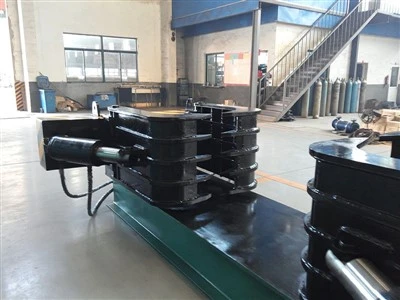
First up, what even causes a baler jam? Let’s start with the basics because fixing the root issue is way easier than patching up after a mess. Jams usually happen when material gets stuck where it shouldn’t—think of it like a kitchen drain: put a bunch of unchewed food and a potato peel in there, and it’s gonna clog. For metal balers, common culprits are overloading the chamber, mixing incompatible materials (like thin aluminum foil with thick steel rebar), or not prepping the scrap before it hits the machine. I’ve had customers tell me they “just toss everything in” to save time, and nine times out of ten, that’s when the jam hits. Even a small piece of copper wire wrapped around the ram shaft can stop it cold. So let’s jump into the actionable steps, the stuff you can start doing tomorrow.
First rule: Sort and prep your scrap before it goes into the baler. This is non-negotiable, and it’s the easiest way to cut jam risk by like 70%. Let’s be real—scrap comes in all shapes: thin sheet metal, thick angles, steel drums, old car parts, wire, even non-metal stuff like plastic or wood. You can’t just dump all of it in together. Here’s the breakdown: separate ferrous (iron/steel) from non-ferrous (aluminum, copper, brass) first. Why? Because non-ferrous metals are often thinner and more stringy—copper wire, aluminum cans, that’s prime jam material if you mix it with thick steel. Those thin bits can wrap around the ram or get wedged between the bale chamber walls, while thick steel might not compress right, pushing the thin stuff into gaps it shouldn’t be in. Then, get rid of any non-metal junk. I’m talking plastic, rubber, wood, foam—stuff that doesn’t compress consistently. A small piece of wood can get caught under the ram and stop it mid-stroke, or plastic can melt a little from the baler’s heat and glue itself to the chamber walls. Also, snip any long wire or cable before you feed it in. Even 6-inch lengths of steel wire can tangle up; 12 inches or more? That’s a jam waiting to happen. I had a customer last month who swore his baler broke down for good, but it was just 10 feet of rebar wire wrapped 3 times around the ram. We got it out in 20 minutes, and now he has a rule: all wire gets cut to under 4 inches before feeding. Trust me, it’s worth the extra 2 minutes sorting.
Next up: Don’t overload the chamber. This is another super common mistake. Every metal baler has a rated capacity—like, say, a 60-ton baler is built to handle X pounds of scrap per load. A lot of operators think “more = faster bales,” but cramming it full makes the ram work way harder than it’s supposed to. When you overstuff, material gets pushed into the small gaps between the ram and chamber walls, or between the bale wires (if you’re using a tie-wire baler) and gets stuck. Even worse, if you keep overloading, you’ll wear out the hydraulics faster, and a worn-out hydraulic system is way more likely to jam. How do you avoid this? First, check your baler’s manual—we give a quick capacity cheat sheet with every machine we sell, so just keep that taped to the side of the baler. If you don’t have the manual, shoot us a note, we’ll send it over. Then, feed material in evenly, layer by layer, not all at once. For example, if you’re baling steel scrap, add a layer of flat sheet metal first, then a layer of smaller, dense pieces like rebar, then another flat layer. That way, the ram compresses each layer evenly, no weird bunches that get stuck. And don’t overfill the hopper—stop when it’s 80% full. If you can close the hopper door without forcing it, you’re good. If you have to slam it, you’re overloading. That’s a simple trick I learned from a 20-year veteran operator last year, and it’s saved so many people from messes.
Then, regular maintenance—this isn’t just “change the oil once a year” stuff. Small, daily checks go a long way. Let’s start with the bale chamber and ram: every morning before you start feeding, wipe down the inside of the chamber and inspect the ram. Look for any tiny bits of scrap stuck—even a 1-inch piece of aluminum can become a wedge when the ram starts moving. If you see something stuck, pull it out before you feed. Also, lubricate the moving parts regularly. I know, I know, it sounds boring, but if the ram or the chamber slides are dry, material can catch on the rough spots. We tell our customers to use a heavy-duty hydraulic grease—we even sell a small tub of it for their balers, it’s super cheap—and grease the ram shaft and chamber slides every 100 hours of use. Oh, and check the tie wires (if you use a tie-wire baler) before you start a bale. If a wire is frayed or twisted, replace it—frayed wires can snap mid-bale, leaving a loose end that wraps around everything. Last, check the hydraulic fluid level. Low fluid makes the ram slow and unsteady, which is when jams happen most. Stick a dipstick in (it’s right on the hydraulic tank) and top it off if it’s low—just use the fluid your baler manual says, not random stuff from the hardware store. I’ve seen guys use motor oil instead of hydraulic fluid, and that caused a jam when the oil thickened up in cold weather. Don’t be that guy.
Wait, what about common “problem” materials? Like thin sheet metal, aluminum cans, or steel drums—those are the ones that cause most jams, so let’s talk specifics. For thin sheet metal: don’t just toss sheets in flat. Fold them into 1×1 foot bundles first, so they don’t flop around and get wedged. Aluminum cans: crush them before feeding, or at least make sure they’re not all tangled together. A stack of uncrushed cans will shift when the ram hits, and the edges can dig into the chamber walls. For steel drums: make sure they’re empty and flattened before you feed them. A closed drum can trap air inside, making it expand when compressed, which pushes other material into gaps. And if the drum has any leftover paint or plastic, scrape that off first—paint can flake off and get stuck in the chamber. Oh, and one more thing: never feed a baler with metal that’s way thicker than what your machine is rated for. If you have a baler that handles ¼-inch steel, don’t feed ½-inch thick steel angles or I-beams. Those are too dense, they won’t compress, and they’ll push other material into the wrong places. If you’ve got a lot of thick steel, you either need to upgrade to a higher-capacity baler (we’ve got those!) or cut it into smaller pieces before feeding. That’s way cheaper than fixing a broken baler.
Now, what do you do if a jam does happen? Wait, no—better to prevent it, but if you’re in that mess, don’t panic, and don’t do stupid stuff like reaching in with your hand. First, turn off the baler, unplug it (or kill the power switch—safety first, always), and let the pressure in the hydraulic system release. Most jams happen because there’s still pressure holding the ram in place, so if you don’t release it, you’ll yank something when you try to pull the material out. Then, use a crowbar or a hydraulic puller (we sell these as add-ons, super handy) to gently pry the material loose. Don’t hit it with a hammer—you can crack the chamber or bend the ram. If you can’t get it out easily, call us. We’ve got a 24/7 support line for customers, and most of the time, we can talk you through fixing it over the phone in 10 minutes. The worst thing you can do is force the ram to move when there’s a jam— that’s how you break a hydraulic pump, and that’s a $2,000+ repair. Trust me, I’ve seen it.
Let me share a quick example to prove this works. A customer of mine in Ohio had a 50-ton baler, and for 6 months, he was jamming once a week. He was mixing steel rebar with copper wire, overloading the chamber, and never greased the ram. I told him to separate the rebar and wire, cut the wire to 3 inches, stop overloading to 80% capacity, and grease the ram every week. After 2 months, he hasn’t had a single jam. He even left a review saying he saved 10 hours a week just from not dealing with jams. That’s the kind of result you get from small, consistent changes.
Wait, are there any myths I should bust? A lot of guys think their baler is just “old and jams all the time,” but that’s rarely true. Most of the time, it’s the way you’re using it. Another myth: “I don’t have time to sort scrap, it’s faster to just dump it.” But let’s do the math: if a jam takes 30 minutes to fix, that’s 30 minutes you could’ve been baling. If you sort for 2 minutes per load, that’s a total of 2 minutes vs. 30 minutes lost. Over 10 loads, that’s 20 minutes of sorting vs. 300 minutes (5 hours) of waiting for jams. Yeah, the sorting is way worth it.
Also, invest in the right tools for the job. If you’re baling a lot of wire, get a wire cutter attachment—we sell ones that mount right to the baler, so you don’t have to carry a separate cutter. If you’re dealing with thin metal sheets, get a sheet metal folder to fold them before feeding. These tools aren’t expensive, and they eliminate a huge portion of jam risk. We don’t push extra tools just to make money—we’ve seen so many customers skip them and end up paying way more in repairs.
At the end of the day, preventing baler jams is all about being intentional, not just reckless. It’s not rocket science—sort your scrap, don’t overload, keep up with maintenance, and use the right tools. Even if you’re a small scrap yard or a guy with a side hustle hauling metal, these steps will save you time, money, and stress. If you’re looking for a new baler, or you need help troubleshooting your current one, hit us up. We’re not just a supplier—we’re the guys that will walk you through setting up your baler, give you the maintenance schedule, and answer your questions anytime. No sales pitch, no pressure, just people who know scrap metal and balers and want you to succeed. Don’t let jams run your operation—let’s get your baler running smoothly.
Baler Shear References:
- Scrap Processing Equipment Maintenance Guide, National Association of Scrap Metal Recyclers, 2022
- Hydraulic Baler Operation and Safety Standards, Occupational Safety and Health Administration (OSHA), 2021
- Common Baler Jam Causes and Mitigation, Metal Recycling Industry Journal, Volume 18, Issue 3, 2020
- Small Business Guide to Metal Baling Efficiency, U.S. Small Business Administration, 2023
Jiangyin Hangli Technology Co., Ltd.
Jiangyin Hangli Technology Co., Ltd. is one of the most professional metal baler manufacturers and suppliers in China. We are committed to providing high quality custom service and OEM service with low price. We warmly welcome you to buy high-performance metal baler for sale here from our factory. Also, pricelist is available.
Address: No. 11, Louxia Road, Zhouxi Village, Zhouzhuang Town, Jiangyin City, Wuxi City, Jiangsu Province, China
E-mail: sherry@hanglimachinery.com
WebSite: https://www.hanglirecycling.com/
