If you’ve ever stayed in a budget hotel that’s been around for a few decades, you’ve probably noticed that old hotel pillowcases have a distinct, stubborn odor. It’s not just mustiness—after constant use, repeated wash cycles (even with commercial detergents), and exposure to sweat, body oils, and airborne grime, the fabric’s fibers hold onto smells that regular laundry routines can’t fully eliminate. As a hotel pillowcases supplier, I’ve heard from dozens of hotel managers over the years who struggle with this exact issue: their linen inventories have pillows that still smell off after being washed, and replacing them is a costly, hassle-ridden fix. The good news is that there are science-backed, affordable methods to remove those odors without shelling out for new stock. Today, I’m pulling from my experience working with hotels of all sizes to share how to refresh old hotel pillowcases, so you can extend the life of your linens and keep your guests’ stays fresh. Hotel Pillowcases
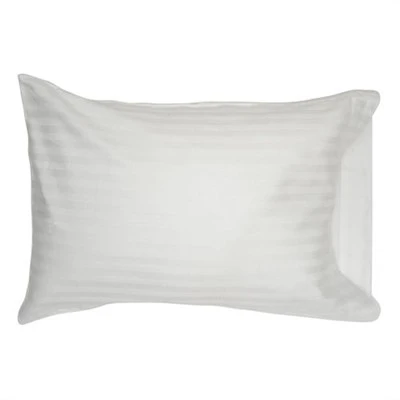
First, it’s important to understand why old hotel pillowcases hold odors so tightly. Most hotel linens are made from durable materials like cotton-polyester blends, which are designed to withstand heavy use, but that same synthetic fiber content creates tiny crevices where oil and residue can get trapped. Over time, repeated washes break down the detergent’s ability to bond with dirt, and musty smells can set in—especially if linens are stored in damp, poorly ventilated linen closets between washes. I’ve seen hotels try everything from extra detergent doses to expensive fabric softeners, but those often leave behind waxy buildup that actually makes odors worse over time. The key is to target the source of the odor, not just mask it, and use products that won’t damage the fabric’s texture or color—critical for keeping your hotel’s linens looking crisp and professional.
The first step in any odor-removal process is pre-treating the pillowcases to break down deep-set grime. For old hotel pillowcases, I always recommend a two-step pre-soak: one to lift body oils, and another to neutralize musty smells. Body oils are the biggest contributor to lingering odors, so for the first soak, mix a gallon of warm water with half a cup of baking soda and a quarter cup of white vinegar. Baking soda is a natural odor neutralizer that works by balancing the pH level of the fabric, while vinegar dissolves oil and cuts through detergent residue that’s built up over time. Submerge the pillowcases fully, and let them soak for at least four hours—ideally overnight, if you can. I advise hotel managers to set up a dedicated soak tub or basin for linens, since this method is gentle enough for repeated use and won’t damage the fabric’s weave.
After the pre-soak, it’s time to wash the pillowcases properly. Many hotels make the mistake of using hot water for odors, but for older pillowcases, hot water can set stains and shrink the fabric. Instead, use warm water (around 100 to 120 degrees Fahrenheit) and a heavy-duty, enzyme-based detergent. Enzyme detergents work by breaking down organic matter like sweat and oil that regular detergents can’t touch—this is especially important for old linens, where those particles have been trapped for months or even years. I always recommend avoiding fabric softeners here, too: they leave a thin coating on fibers that prevents detergents from penetrating, and over time, that coating contributes to odors. If you want a subtle fresh scent, add a cup of lemon juice to the wash cycle instead—its natural acidity neutralizes odors and leaves a light, clean smell without residue.
Once the wash cycle is done, drying is another critical step to remove odors. Too many hotels toss linens in a dryer and pull them out immediately, trapping any remaining moisture that can lead to mustiness. Instead, use a high-heat dryer setting for at least 45 minutes, and add a few dry tennis balls or wool dryer balls to the load. These balls agitate the pillowcases, loosening any remaining trapped particles and helping the heat reach every part of the fabric. I’ve found that for older pillowcases, a short burst of high heat is better than low heat for odor removal—but always check the fabric care label first to make sure you don’t accidentally shrink the linens. If you have outdoor space, hanging the pillowcases on a clothesline in direct sunlight for an hour will also help neutralize any remaining odors; the sun’s UV rays act as a natural disinfectant and will eliminate smells that might linger in the dryer.
For pillowcases that have very stubborn odors—like the kind that come with linens that have been stored in damp basements for years—you’ll need a more intensive method. I’ve worked with a hotel chain that had a large stock of old pillowcases that smelled strongly of mildew, and we used a oxygen-based bleach solution to refresh them. Oxygen bleach is gentler than chlorine bleach, so it won’t fade the fabric’s color, but it’s powerful enough to break down deep-set mildew odors. To make the solution, mix one cup of oxygen bleach with a gallon of hot water, and submerge the pillowcases for six hours. After that, wash them again with enzyme detergent, and dry them as usual. This method worked for that hotel, and they were able to reuse more than 90% of their old pillowcases instead of replacing them—saving them thousands of dollars in the process.
Another common issue with old hotel pillowcases is that they develop a stale, paper-like smell over time, even after regular washes. This usually comes from long-term storage in enclosed spaces, and the fix here is to use a baking soda sachet to absorb odors between uses. After drying the pillowcases, place a small sachet of baking soda inside each one, and store them in a ventilated linen closet (avoid airtight plastic bins, which trap moisture). The baking soda will absorb any stale smells over a few days, leaving the linens fresh when you need to use them. I also recommend rotating your linen stock regularly—using older pillowcases first before new ones, so no linens sit in storage for more than a month at a time. That way, you prevent odors from setting in before you even use the linens for guests.
Now, as a hotel pillowcases supplier, I know that even with these methods, some old linens will reach a point where removing odors isn’t worth the effort. If your pillowcases are more than five years old, or if the fabric is starting to thin, tear, or lose its weave, replacing them is often a better investment. New pillowcases are more durable, more absorbent, and they don’t have the deep-set odors that come with years of use. I always tell hotel managers that investing in high-quality pillowcases saves money in the long run—you don’t have to spend time and money on wash cycles, pre-treatments, and replacements for old linens, and your guests will notice the difference in the feel and smell of their pillows.
But for those older linens that are still in good shape structurally, these methods have worked time and time again for my clients. Last quarter, a boutique hotel owner reached out to me, saying they had 50 old pillowcases that had a musty smell after being stored during the pandemic. I shared the pre-soak and enzyme detergent method, and a week later, she told me that all 50 pillowcases smelled fresh again—she ended up not needing to order new ones, and she saved over $300 in that order. That’s the kind of result I love to see, because it shows that you don’t have to choose between keeping your linens fresh and keeping your costs down.
If you’re a hotel manager or hospitality professional who’s dealing with smelly old pillowcases, or if you’re looking to refresh your linen stock with high-quality, durable hotel pillowcases, I’m here to help. I’ve worked with hotels of all sizes—from small boutique properties to large chain locations—and I can provide you with linens that are designed to withstand heavy use, easy to clean, and fresh for every guest. Whether you need to replace a few old pillowcases or restock your entire linen inventory, I can offer customized solutions that fit your budget and needs. Don’t let stubborn odors or worn linens affect your guests’ experience—get in touch today to learn more about how I can help you keep your hotel’s linens clean, fresh, and professional.

When it comes to linen care, the right methods make all the difference, and as a supplier who works closely with hotels every day, I’ve seen what works (and what doesn’t) firsthand. By targeting odors at the source, avoiding harsh chemicals that damage fabric, and knowing when to refresh or replace linens, you can keep your hotel’s pillowcases in top shape for years. And if you ever need high-quality, long-lasting hotel pillowcases to refresh your stock, don’t hesitate to reach out— I’m ready to help you find the right linens for your property.
Hotel Bathrobes References
- International Hotel & Restaurant Association. (2022). Linen Care Best Practices for Hospitality Operations. Hospitality Industry Standards Board.
- American Cleaning Institute. (2021). Enzyme Detergent Use for Organic Stain and Odor Removal. Cleaning Product Safety and Research Council.
- Textile Institute. (2020). Durable Textile Care for High-Use Hospitality Linens. Journal of Hospitality and Textile Management.
- University of California Agriculture and Natural Resources. (2019). Natural Odor Neutralizers for Textile Refreshing. Home and Garden Research Program.
Nantong Deeda Textile Co., Ltd.
As one of the most professional hotel pillowcases manufacturers and suppliers in China, we’re featured by quality products and good service. Please feel free to wholesale bulk high-end hotel pillowcases at competitive price from our factory. Customized orders are welcome.
Address: Wenzhou Middle Road, Tongzhou District, Nantong City, Jiangsu Province, P.R.China
E-mail: zama@deeda.com.cn
WebSite: https://www.hotelbeddingsupplier.com/
