Hey there, pressure washer squad! If you’ve ever stared at your machine’s little fuel cap or asked “wait, what gas do I even put in here?” mid-cleanup, you’re not alone. As someone who’s been selling high-pressure washers for way too long—talking to handymen, property managers, weekend warriors, and everyone in between—I hear this question at least once a week. Most folks guess wrong (it’s not just any old gas), and some even accidentally dump the wrong stuff, which turns a simple clean into a headache. Today, we’re breaking this down like we chat in my shop—no fancy jargon, just real, useful info from someone who’s actually around these machines daily. High Pressure Washer
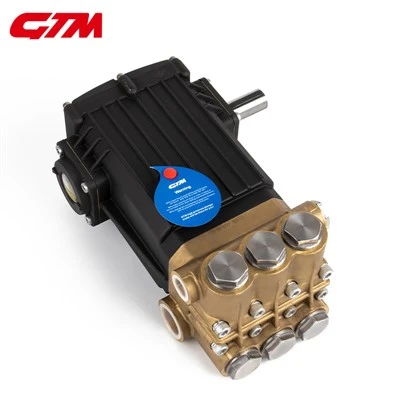
First off, let’s cut the biggest myth: pressure washers don’t run on random gasoline. Yeah, they’re gas-powered most of the time, but there are specific rules to keep ’em running strong. Let’s start with the main players: most portable, gas-powered pressure washers (the ones you rent or own for driveways, decks, siding) use standard unleaded gasoline. But not just any unleaded—here’s the key part: it has to be 87 octane or higher. Why 87? Octane rating is basically how well the gas resists pre-ignition (that weird knock you hear in old engines). Pressure washer engines are built for efficiency, not high-performance speed, so lower-octane gas can cause knock, which over time wears down the engine’s pistons and valves. I’ve seen customers try 85 octane because it’s cheaper at some rural pumps, and within a month their pressure washer’s sputtering like a lawnmower that’s seen better days. Save yourself the hassle—stick to 87.
Now, what about ethanol? This is another big one that confuses people. Most gas sold in the US has 10% ethanol (E10), and that’s totally fine for pressure washers—wait, really? Yeah, but here’s the catch: it’s only fine short-term. If you’re using your pressure washer regularly (like every week or two), E10 is no problem. The ethanol mixes evenly with the gas, so it doesn’t separate and gunk up the fuel system. But if you’re storing your machine for months—say, putting it away after fall cleanup and pulling it out next spring—ethanol is a ticking time bomb. Ethanol absorbs moisture from the air over time, and when that water sits in your fuel tank, it separates from the gas, sinks to the bottom, and gums up the carburetor, fuel lines, and even the engine’s pistons. I’ve had customers bring in pressure washers that wouldn’t start after winter, and 9 out of 10 times it’s just dried ethanol gunk clogging the carb. That’s a $20-$50 repair, easy—so if you’re storing yours for more than 30 days, skip E10 and use ethanol-free gasoline (also called E0). It’s a little more expensive, but way cheaper than replacing a carburetor.
Wait, hold on—what about diesel pressure washers? Yeah, I can’t forget those, because not every pressure washer is the small, portable kind. We sell a lot of commercial-grade pressure washers for construction sites, farm use, or industrial cleaning, and a ton of those run on diesel. But not just any diesel—number 2 diesel is the standard for most of these. Cold climates? You’d use number 1 diesel in the winter, or a blend of 1 and 2, because number 2 gets too thick when it’s freezing, so it won’t flow through the fuel lines. If you’re running a big commercial machine, you can’t mess with this—thick diesel will make your pump die mid-job, and that’s a nightmare on a construction site. I once had a contractor call me at 6 a.m. in February panicking because he’d put number 2 diesel in his pressure washer and it wouldn’t start at his job in Minnesota. We sent a tech out with the right blend, and he was back to work by 9—worth avoiding the mix-up.
And let’s not forget the electric ones, even though the question is about gas. I get tons of people ask if electric use gas—no, they plug into a regular outlet, no fuel needed. But if you’re buying a pressure washer for heavy-duty work, electric might not cut it, and gas is the way to go. We always ask customers how big their jobs are: if it’s a small patio or a car, electric works; if it’s a 10,000 sq ft driveway or a commercial parking lot, gas is non-negotiable.
Now, let’s go over the mistakes I see all the time, because they’re super avoidable. First, mixing old gas with new gas. If you have a half-tank from last year, don’t just top it off with new gas. Old gas breaks down, gets sticky, and will gunk up your system even if you add new stuff. If you have leftover gas that’s more than 30 days old (especially with ethanol), dump it—don’t save it. I know it’s annoying to waste gas, but it’s way cheaper than repairs. Second, putting too much gas in the tank. The fuel cap has a line for a reason—overfilling means gas can seep into the engine’s air filter, which causes it to smoke like a chimney and can even damage the filter. Third, using marine or small-engine special gas unless you really need it. A lot of gas stations sell “small engine gas” for lawnmowers and pressure washers, but that’s just E0, basically. If you can find ethanol-free regular gas at your local station, that’s the same thing, no need to pay extra for the fancy label.
Wait, what about pressure washers that use propane? Oh right, those are a newer thing we’ve started selling a lot lately, especially for folks who hate dealing with storing gas. Propane pressure washers run on standard grill propane, which is way easier to store—no gunking, no ethanol issues, you just swap a tank when it’s empty. They’re perfect for people who only use their pressure washer a few times a year, or don’t want to deal with pouring gas. The downside? They’re a bit more expensive upfront, but you save on repairs and storage headaches. I had a customer last month who switched from gas to propane, and he said “I haven’t had to fix my washer in 6 months, whereas before I was getting a new carb every spring.” That’s a win in my book.
Now, as a high-pressure washer supplier, let’s talk about why this stuff matters to you, not just random facts. If you’re a residential customer, picking the right gas means your washer will last longer, save you money on repairs, and you won’t waste time trying to get a sputtering machine started on a Saturday. If you’re a commercial customer, using the right fuel means no downtime on jobs, which keeps your projects on schedule and your customers happy. We’ve tested this with hundreds of machines over the years—87 octane is non-negotiable for gas-powered, E0 for storage, diesel for commercial units, propane if you want the low-maintenance route.
Let me wrap this up with a quick cheat sheet, so you can bookmark this or screenshot it:
- Residential portable pressure washers: 87 octane unleaded gasoline.
- Long-term storage (over 30 days): Use ethanol-free (E0) gas.
- Commercial/industrial pressure washers: Number 2 diesel (or number 1/diesel blend for cold weather).
- Low-maintenance option: Propane-powered pressure washer, runs on standard grill propane.
- Skip: Lower-octane gas, gas with more than 10% ethanol for storage, mixing old and new gas.

At the end of the day, pressure washers are pretty simple machines—they just need the right fuel to do their job. If you’ve got more questions, whether you’re a first-time buyer needing to pick the right washer, or you have a machine that’s acting up because of gas, hit us up to chat through your needs. We’re not just selling machines—we’re here to help you keep your cleanup projects smooth and stress-free. Don’t overcomplicate this, just stick to the rules and your pressure washer will work for years.
High Pressure Washer Gun References
- Pressure Washers Technical Manual. Pressure & Water Systems Association, 2022.
- Small Engine Fuel Guidelines. American Society of Mechanical Engineers, 2021.
- Commercial Pressure Washer Fuel Specifications. International Association of Certified Pressure Washing Professionals, 2023.
Zhejiang GTM Hi-Tech Intelligent Equipment Co., Ltd.
We are one of the most experienced high pressure washer manufacturers and suppliers in China, also support customized service. Please feel free to buy discount high pressure washer for sale here from our factory. Quality products and reasonable price are available.
Address: No.5 of Changjiang Road, 2nd Economic Development Zone of Wenling, Zhejiang, China
E-mail: yehuanting1@hongyemfg.com
WebSite: https://www.gtmplungerpump.com/
