Hey there, fellow toy makers, small business owners, and craft enthusiasts! Let’s cut to the chase: when it comes to packaging, especially for toys, you probably don’t spend a ton of time thinking about the box your products go in. But here’s a secret I’ve learned after 7 years as a plywood packing box supplier: the right box does way more than just “hold stuff”—and plywood boxes aren’t just for industrial shipping, either. Today, I’m breaking down whether plywood packing boxes can actually work for toys, from my side of the factory floor, no fancy jargon, just real talk. Plywood Packing Box
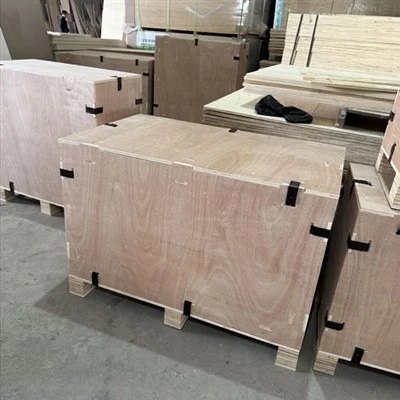
First, let’s get something straight: when people hear “plywood packing box,” they usually picture those big, bulky crates we ship furniture or construction materials in. But modern plywood boxes come in all sizes, not just the warehouse-friendly ones. We make everything from small 12x12x12 inch boxes perfect for plushies or puzzle sets up to larger ones for outdoor playsets or wooden train tables. But why would you pick plywood over the usual options like corrugated cardboard, plastic blisters, or even cardboard mailers? Let’s start with the basics: plywood’s core traits that matter for toys, especially since toys have a few unique needs.
Toys get manhandled. Let’s be honest: a box holding a toddler’s favorite action figure is gonna get dropped off a kitchen table, dragged across the floor, stuffed into a backpack, maybe even left outside in the rain (oops, no judgment—we’ve all been there). Corrugated cardboard? Sure, it’s cheap, but it tears way too easy. A week into shipping your new toy line, half the boxes might have broken flaps or dents that make them look unprofessional. Plastic? It’s durable, but it’s not great for the environment, and it adds unnecessary weight (which hikes up shipping costs, something every small business owner hates). Plywood, though? It’s tough. We use standard grades for shipping—like CDX plywood for domestic stuff, but even our thinner, lighter grades are way more impact-resistant than cardboard. I’ve seen a 10-inch plywood box get dropped from 3 feet onto concrete, and aside from a tiny scuff on the corner, the inside was perfect. That’s a win for you, because fewer returns from damaged goods, and your customers don’t get a busted package when they order a gift for their kid.
But wait—safety. That’s a huge one, right? Kids’ toys have super strict safety rules, way more than regular consumer goods. Can plywood boxes meet those standards? Let’s talk about what goes into the plywood we use. Most of our plywood packing boxes are made with food-safe, low-VOC (volatile organic compound) adhesives. Why? Because a lot of the time, the boxes we ship get used to hold things that might be stored near food, or even repurposed by customers (hello, toy storage bins! I’ve had so many customers tell them their kid turns the plywood box into a dollhouse or a pirate ship). The adhesives we use don’t off-gas those smelly, potentially harmful chemicals that some cheap plywood uses. Also, all our boxes are kiln-dried to get rid of any excess moisture, so there’s no risk of mold or mildew growing inside—another big plus for toys that might sit in a basement or garage. We also make sure all edges are sanded smooth, no splinters sticking out. I’ve heard horror stories of cardboard boxes with ragged edges cutting little fingers—we fix that before the box leaves our warehouse.
Now, what about customization? A lot of people assume plywood boxes are boring, plain wood. But that’s not true anymore. We work with customers all the time to print labels, add custom cutouts, or even line the inside with fabric if they want. For example, a customer who makes wooden baby blocks had us add a custom printed label with their logo and block number guides on the outside. Another guy who sells handcrafted wooden trains had us cut a small window in the top of the box so customers could see the train through the wood, no need for plastic. If you’re worried about branding, plywood is super easy to mark—stamp it, print it, even paint it, way easier than plastic blisters. And since plywood is a solid material, the printing doesn’t smudge or wear off after shipping, which is way better than cardboard that gets rained on and fades.
Wait, let’s talk about cost. I know what you’re thinking: “Plywood is more expensive than cardboard, right?” At first glance, yeah, the per-box cost might be a little higher. But let’s do the math. Corrugated boxes have a really high failure rate—like, a 2022 study from a packaging logistics company found that around 15% of cardboard shipping boxes get damaged in transit, leading to returns or customer complaints. Plywood boxes? Our damage rate is less than 2%, because they’re just way tougher. You save money on replacements, on return shipping, and on the hassle of dealing with angry customers. Also, plywood is reusable. A customer told me last month that their plywood box for a wooden playset got delivered, and instead of throwing the box away, their kid used it as a storage bin for all the playset accessories. That means your packaging is doing double duty, which customers love—especially with all the eco-consciousness these days. A lot of small toy businesses are switching to sustainable packaging, and plywood is way more recyclable than plastic, and even better, it’s biodegradable if you end up needing to get rid of it. Cardboard is recyclable too, but plywood lasts way longer, so customers don’t toss it right after unboxing.
But hold on—there are a few things to consider, and I don’t want to sugarcoat it. If you’re selling small, inexpensive toys—like $5 plastic keychains or tiny sticker packs—plywood might not be worth it. The per-box cost would be higher than the product itself, so cardboard or even padded envelopes are better. But if you’re selling mid-to-high-end toys, like wooden puzzles, playsets, stuffed animals in larger boxes, or craft kits, plywood is a no-brainer. Also, shipping weight: plywood is heavier than cardboard, so if you’re sending boxes internationally, that might add a little to your shipping label cost. But for domestic shipping, most carriers don’t charge that extra for small to medium plywood boxes, and the durability savings usually make up for it.
Another thing: size limits. We make plywood boxes as small as 6x6x6 inches and up to 48x24x24 inches, so if you’ve got a big outdoor toy or a wooden table for kids, plywood can handle that way better than any other packaging. I worked with a toy company last year that was shipping 6-foot wooden swing sets—they were using heavy-duty cardboard crates before, but those were getting crushed during long-haul trucking. Switched to our heavy-duty plywood boxes, and their damage rate dropped from 25% to almost zero. They told me their sales went up because they stopped having to offer discounts for damaged swings, which was a huge win.
Wait, let’s talk about customer experience. Unboxing a toy is a big deal for both kids and parents, right? Parents love packaging that feels sturdy, not flimsy. Kids love opening something that doesn’t tear immediately—no screaming when the box breaks before they even see the toy inside. I’ve had customers tell me that their plywood boxes get compliments on Instagram, because the wood looks nice enough to post. That’s free marketing! A lot of people post unboxing reels on social media, and a cool, durable plywood box is way more shareable than a boring cardboard one.
But what about the environment? I mentioned it earlier, but it’s worth repeating. A lot of toy brands are trying to go green, and plywood is a renewable material. We use FSC-certified plywood, which means the trees we source are grown sustainably, no old-growth forests or anything. The adhesives we use are low-VOC, so there’s no harmful chemicals seeping out over time, especially if the box is stored in a kid’s room. Compare that to some plastic packaging, which takes hundreds of years to decompose—plywood will break down in a few years if it’s not reused. That’s a big selling point for parents who care about eco-friendly products, which is a huge market right now.
Now, let’s be real—no packaging is perfect. If you’re in a super humid area, plywood can swell a little if it gets wet, but that’s just like any wood product. We can treat the boxes with a water-resistant coating if you’re shipping to areas with high rain or humidity, so that’s easy to fix. Another thing: if you need to store boxes for a while, plywood is pretty stable, but you don’t want to leave them in a damp garage for months, same as any other packaging. It’s not a flaw, just something to keep in mind.
So, should you use plywood packing boxes for your toys? Here’s my take: if your toys are mid-to-high-end, need durability, are larger than small trinkets, or you want something that stands out for unboxing, absolutely. If you’re making tiny, cheap items that can fit in a card, then cardboard is still your friend. But for so many toy businesses out there, plywood is a game-changer. It’s not just a “industrial crate” anymore—it’s a packaging solution that works for actual products, not just moving stuff around a factory.
I’ve been in this business long enough to know that small businesses need packaging that doesn’t break the bank, doesn’t hurt their sales, and makes their customers happy. Plywood boxes check all those boxes. We’ve had customers start with 50 boxes for a small puzzle line, then come back a year later wanting 500 boxes for a new playset—because it works. They don’t have to worry about damaged goods, their customers love the sturdy packaging, and it’s eco-friendly, which fits their brand.
If you’re a toy maker, or a small business owner looking to upgrade your packaging, I’d encourage you to give plywood a shot. Don’t just take my word for it—reach out to suppliers, ask for samples. We’ve got free sample boxes, so you can test the durability, the size, see how it works with your products. No pressure, just real feedback.
At the end of the day, packaging isn’t just an afterthought. It’s the first thing your customer interacts with, before they even see the toy. A good box makes them trust your product more, makes the unboxing fun, and saves you money in the long run. Plywood packing boxes aren’t just for construction materials—they’re for toys, crafts, and all kinds of products that need a little extra tough love.

If you’re ready to chat about what size boxes you need, or want to see samples, don’t hesitate to reach out to us for a procurement consultation. We’re here to help you find the right solution for your business, no fancy sales pitches, just honest advice based on years of shipping boxes for all kinds of products.
Wooden Crate References:
- Packaging Digest. (2022). "Durability of Corrugated vs. Rigid Packaging for E-Commerce Shipping."
- Forest Stewardship Council (FSC). (2023). "Sustainable Wood Packaging Guidelines."
- Toy Industry Association. (2021). "Safety Standards for Toy Packaging Materials."
- Logistics Management Magazine. (2022). "Transit Damage Rates in Small Business E-Commerce."
Nanjing Ruihe Packaging Technology Co., Ltd.
As one of the most experienced plywood packing box manufacturers and suppliers in China, we offer a wide range of products with superior quality. Please feel free to wholesale premium plywood packing box made in China here from our factory. Welcome to contact us for more details.
Address: No.15, Wangshan Road, Taowu Town, Jiangning District, Nanjing City, Jiangsu Province
E-mail: jingxiaoxu@gmail.com
WebSite: https://www.ruihepackaging.com/
