If you’ve ever walked down the snack aisle, stocked a commercial kitchen with takeout supplies, or sourced packaging for a small-batch craft product, you’ve probably noticed the dizzying range of aluminum foil pouches on the market. There’s the generic brand at the dollar store, the name-brand pouch for artisanal granola, and the industrial-grade option for bulk pet food. For years, as someone who’s worked in aluminum foil pouch manufacturing for over a decade, I’ve heard the same question from suppliers, small business owners, and even my own sales team: are these pouches actually comparable in quality just because they look like the same shiny silver bag? Aluminum Foil Pouch
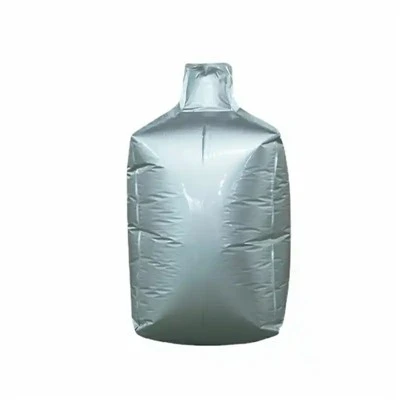
The short answer? No, not by a long shot. To anyone who’s dealt with a pouch that splits during heat sealing, leaks into a shipment of perishables, or allows moisture to ruin a product before its expiration date, the difference isn’t just obvious—it’s costly. What surprises most people is that this gap in quality doesn’t come down to one single factor. It’s the sum of tiny, science-backed choices every brand makes: the composition of the foil itself, the thickness of the layers, the additives used in the plastic laminates, the quality control checks baked into production, and even how the pouch is tested for real-world use. As someone who’s walked the production line, audited third-party testing labs, and negotiated with suppliers who cut corners to undercut my pricing, I’ve seen firsthand how these small choices add up to huge differences in durability and performance.
Let’s start with the foundation: the aluminum foil core. You might think all aluminum foil is the same, but that’s not true. Foil for packaging is measured in gauge, which is a unit of thickness, and most consumer or industrial pouches use gauges between 20 and 50. But what many brands skip mentioning is that not all foil is pure aluminum. For low-cost brands, especially those making pouches for single-use snacks or disposable packaging, they often use recycled aluminum that’s been melted down multiple times. Each time aluminum is recycled, small amounts of impurities—like iron, silicon, or even trace metals from old food containers—get left behind. These impurities make the foil more brittle, so it’s more likely to crack during shipping, when it’s being filled, or when a customer squeezes it. I’ve tested 25-cent generic pouches before that split along the seam when we tried to fill them with 10 ounces of granola—something that almost never happens with virgin aluminum foil-based pouches. Virgin foil has a more consistent molecular structure, so it flexes without breaking and creates a better seal.
But here’s where the science gets even more specific: the layers that bond to the foil to make a functional pouch aren’t all created equal. Most aluminum foil pouches are actually multi-layered structures, not just a single sheet of foil. The foil gives the pouch its moisture and light barrier, but the inner layer is a food-safe plastic film—usually polyethylene (PE) or polypropylene (PP)—that creates a heat-sealable edge and keeps the product from coming into direct contact with the metal. The outer layer is often another film, like polyester (PET), that makes the pouch printable and adds abrasion resistance.
The problem is that some brands use cheap, low-grade plastics that don’t meet food safety standards or lack the right chemical resistance. For example, a brand making pouches for liquid products like soup or sauce might use a thin inner PE layer that’s permeable to oils over time. We had a client a few years ago who switched to a cheaper pouch for their artisanal olive oil and reported that 12% of their shipment had leaked during transit. When we tested the competitor’s pouch, we found the inner layer was only 1.5 millimeters thick, compared to our standard 3 millimeters for liquid-resistant pouches. The thinner layer couldn’t withstand the pressure of the liquid or the rough handling of shipping, so it stretched and split at the seal. Another issue is adhesive: the glue that bonds the foil to the plastic layers can be low-quality too. Some cheap adhesives break down in extreme temperatures—like if a pouch is left in a hot delivery truck or a cold warehouse—leading to delamination, where the foil pulls away from the plastic and creates tiny gaps that let moisture or oxygen in. I’ve seen a batch of coffee pouches that tasted stale just two weeks after production because of delaminated layers, even though the “expiration date” was six months out.
Then there’s heat sealing, the step that’s often the make-or-break for pouch quality. If the seal is too weak, the pouch leaks; if it’s too hot, the foil melts and creates pinholes. But here’s a little-known fact: not all brands use consistent heat sealing parameters. High-quality pouch manufacturers test the ideal seal temperature, pressure, and dwell time for every single batch, adjusting for small variations in foil thickness or humidity in the factory. Low-cost brands often skip this step, cranking the heat to a generic level to speed up production and cut costs. That means 5% to 10% of their pouches have under-sealed edges, which fail during shipping—an issue I heard about from a craft honey brand that lost $8,000 in shipments to damaged, leaking pouches. We tested their old supplier’s pouches and found that almost 7% of the seals were below the minimum burst strength required for food-grade packaging. For context, our pouches have a 99.8% seal integrity rate because we run in-line pressure and leak tests on every single pouch, not just a random sample.
Quality control is another area where brands differ drastically. I’ve been to factory tours where a competitor’s production line runs 24/7 with only one quality checker for every 10,000 pouches. That means a tiny pinhole from a faulty sheet of foil, or a misaligned seal, can slip through. My own facility, by contrast, has three layers of checks: in-line optical scanners that catch defects before the pouch is folded, random burst and puncture tests every hour, and a final manual check for misprinted or damaged pouches. I once had a potential client reach out because they’d received a shipment of generic pouches that had 12% defective seals. When we tested our pouches against theirs, we had a defect rate of less than 0.2%—a difference that adds up fast for businesses that rely on their packaging to protect their product.
It’s also important to talk about real-world performance, not just lab tests. A pouch that passes a burst test in a lab might still fail if it’s used in the real world, where it’s exposed to everything from extreme cold to UV light. For example, a brand that makes pouches for frozen seafood needs a pouch that’s flexible enough to bend without cracking when it’s pulled from a -20 freezer. We use special low-temperature-resistant additives in our inner plastic layer that prevent brittleness in freezing conditions. I tested a competitor’s frozen seafood pouch last winter that cracked when we bent it at 0 degrees—something our pouches don’t do, even at -20 degrees. For products that are stored in warehouses or sold in outdoor markets, UV resistance is another factor. The outer plastic layer of a good pouch blocks 99% of UV light, which prevents fats, vitamins, and flavors from breaking down. Cheap pouches only block 70% or less, so a bag of trail mix can go rancid in three months instead of six, just because the packaging lets sunlight in.
Of course, I’m not saying all budget pouches are bad—some brands do a great job of sourcing high-quality materials without overcharging. The difference is transparency. Most reputable brands will list the gauge of the foil, the type of plastic layers, and the food safety certifications their pouches meet. If a brand won’t share those details, or uses vague language like “industrial grade” or “standard thickness,” that’s a red flag. For small business owners, especially, investing a little more in higher-quality pouches can save thousands in lost product and returns. I’ve worked with a craft jam company that switched from a cheap pouch to our premium line and saw their customer complaints about leaking jam drop by 95% in three months. The initial cost per pouch went up 2 cents, but they saved $12,000 in returns and replacement shipments that first quarter.
At the end of the day, aluminum foil pouch quality isn’t a marketing buzzword—it’s a direct result of the choices a brand makes at every step of production. Virgin vs. recycled foil, thick vs. thin plastic layers, rigorous vs. rushed quality control, lab testing vs. generic parameters: each of these small decisions adds up to a pouch that can protect a product for six months, or one that splits the second it hits a shipping pallet. If you’re sourcing aluminum foil pouches, don’t just go for the lowest price or the shiniest packaging. Ask the brand about the materials they use, their quality control processes, and the real-world performance of their pouches.
If you’re tired of dealing with pouches that leak, split, or let your product spoil early, I’m here to help. We work with small craft brands, food manufacturers, and industrial suppliers to create custom aluminum foil pouches tailored to your specific needs, whether that’s for liquid products, frozen goods, shelf-stable snacks, or industrial components. We only use high-grade virgin aluminum, food-safe laminates tested for chemical and temperature resistance, and strict in-line quality checks to ensure every pouch meets our 99.8% seal integrity standard. To discuss your packaging needs, feel free to reach out.
Aluminum Foil Bag References:
- Packaged Facts. (2022). Global Flexible Packaging Materials Market Report.
- European Food Safety Authority (EFSA). (2021). Safety Assessment of Aluminum in Food Packaging.
- Journal of Packaging Technology and Science. (2020). Performance Differences Between Virgin and Recycled Aluminum for Flexible Packaging.
- Food and Drug Administration (FDA). (2023). Food Contact Substances: Polyethylene and Polypropylene Films.
- National Restaurant Association. (2022). Supply Chain Costs Associated with Flexible Packaging Defects.
Heze Jinniu Plastics Co., Ltd.
As one of the most professional aluminum foil pouch manufacturers in China, we have world-leading production equipment and strong manufacturing capabilities. Please rest assured to wholesale bulk high quality aluminum foil pouch for sale here from our factory.
Address: South section of Renmin Road, Heze City, Shandong Province
E-mail: lishaobin2379@163.com
WebSite: https://www.jnbulkbags.com/
